Case study
The homeowners have lived in an 18th-century end-of-terrace house in the riverside town of Bewdley, Worcestershire, for 22 years. The property has been flooded numerous times, and the case study focuses on the couple’s experience and adaptation strategies after a major flood event in February 2020.
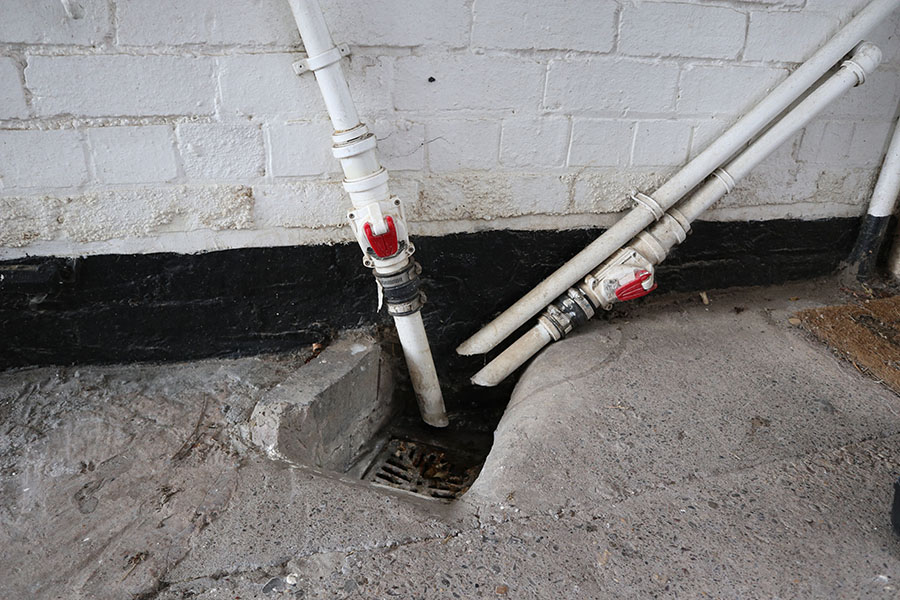
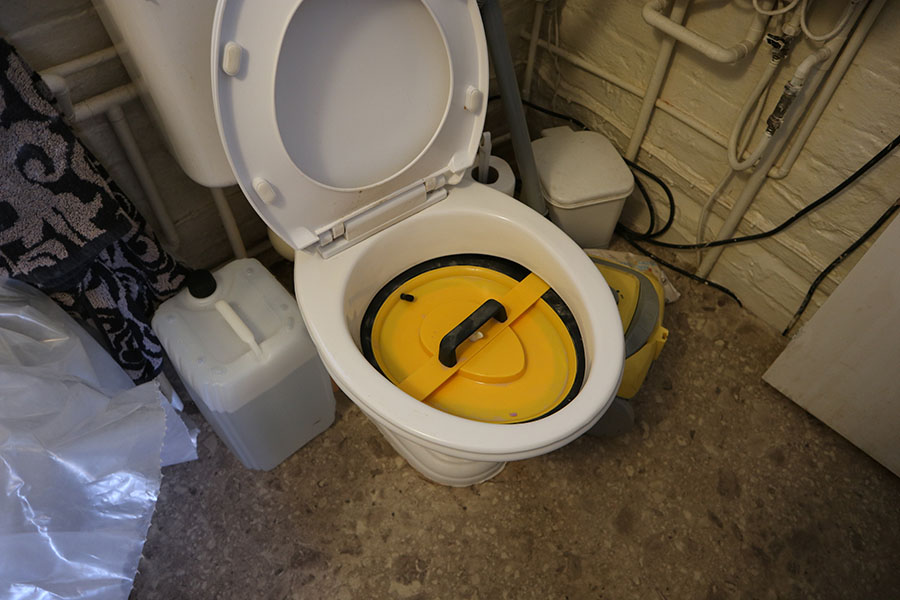
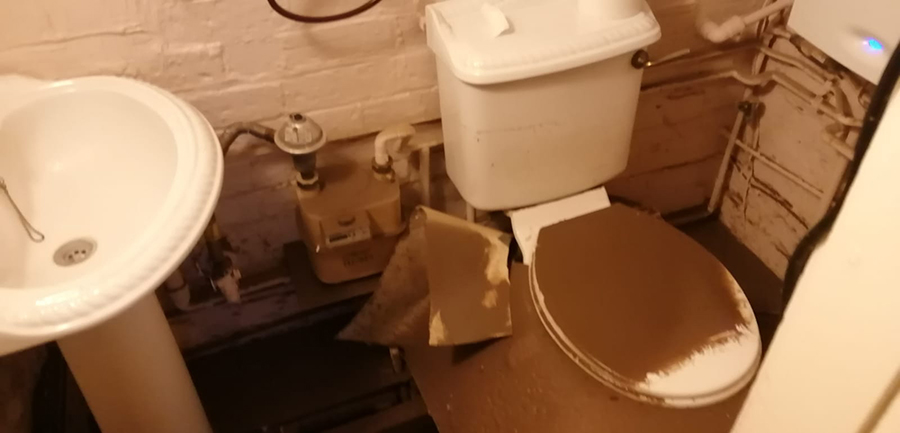
The property is a residential, end-of-terrace house that has experienced repeated flooding from the nearby river (pic 4). The owners were aware of the flood risk when they moved in and immediately took measures to reduce their vulnerability, such as installing pumps, flood gates, and raising electrical sockets.
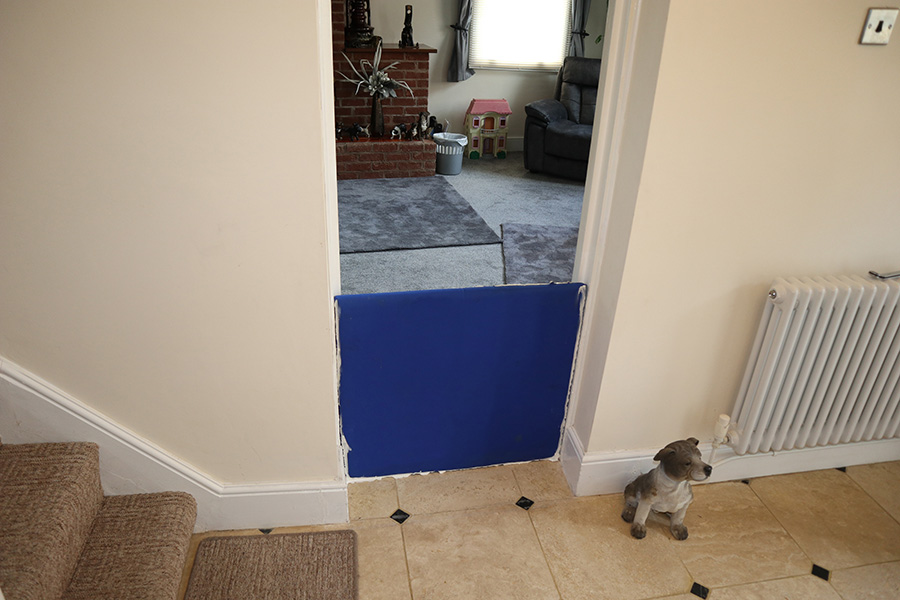
Despite their preparedness, the house was flooded in February 2020, with water reaching just below the raised plug sockets. After this event, they made significant changes to their home, including relocating the boiler, installing flood doors and barriers, tiling the floors, and acquiring additional pumps and equipment.
The case study provides valuable insights for homeowners in flood-prone areas, showcasing the importance of preparedness, continuous improvement, and a willingness to invest in flood-resilient measures to protect one’s property and maintain a high quality of life.
When the owners purchased the 18th-century end-of-terrace house in Bewdley, they were aware that the property had been flooded numerous times in the past. They immediately took proactive steps to assess the flood risk and develop a plan to reduce their vulnerability.
They implemented a range of both passive and active flood resilience measures:
They have developed a comprehensive flood plan that outlines their response strategy. They monitor the river levels and take pre-emptive actions, such as moving their kitchen table and furniture to higher ground, when they anticipate a flood event. This allows them to quickly activate their mitigation measures and remain in their home during floods.
Challenges and positives:
As an older, heritage-style property, this home presented some challenges in terms of integrating flood resilience measures. However, they found several innovative and simple solutions, such as the balcony for evacuation and river monitoring, that have been successfully implemented.
They “would not want to live anywhere else.” Their flood resilience strategy has been tailored to enable them to remain in their property and quickly recover from flood events, rather than pursuing relocation. They continue to learn from each flood event to keep their property protected.
Overall, the owners’ approach to flood resilience in their historic riverside property serves as a valuable case study, showcasing the benefits of proactive, multi-layered flood protection strategies that enable homeowners to remain in their homes and quickly recover from flood events.
The property has been significantly enhanced in terms of flood resilience through various measures. They installed permanent, water-resistant building materials and put critical services in higher locations. Active flood protection systems, including pumps and barriers, were integrated to actively manage floodwaters. They also constructed a balcony for safe evacuation and observation during floods. Additionally, they implemented a comprehensive preparedness plan to proactively respond to flood events.
These resilience measures have directly benefited the owners by enabling them to remain in their home during and after floods. They were flooded in February 2021 and in February 2022 and have managed to keep the water down to about 2cm (less than 1”) only in the hall. They were able to sweep that out once the flood water recedes outside. That means they avoided the prolonged displacement experienced in 2020.
What was achieved:
What worked:
Challenges:


“The homeowners freely admit it is hard work and stressful (especially as they say they “are not getting any younger!”), however all the preparation and adaptation allows them to stay in their home, recover very quickly and not make an insurance claim. They love where they live and would not want to live anywhere else, as they do enjoy being near the river!”
Being prepared for potential flooding is an important element of being flood resilient as it leads to approaches to use PFR measures. It’s about understanding your flood risk, now and for the future.