Case study
RAB Consultants were appointed by Telford and Wrekin Council in 2024 to undertake Property Flood Resilience surveys of up to 43 properties at risk of flooding from the River Severn in the Ironbridge Gorge World Heritage site.
Ironbridge, the birthplace of the Industrial Revolution, is located within a narrow gorge, at the base of which flows the River Severn. Towns located along the Severn have experienced numerous damaging flood events since the turn of the century, and flooding in Ironbridge has become a frequent occurrence in recent years, with some properties impacted during multiple flood events each winter.
Although an Environment Agency temporary flood defence is deployed to protect those at greatest risk, the barrier does not benefit a large number of properties during more extreme events. Telford and Wrekin Council therefore secured funding to deliver a Property Flood Resilience scheme to help homeowners and business owners become better protected from flooding.
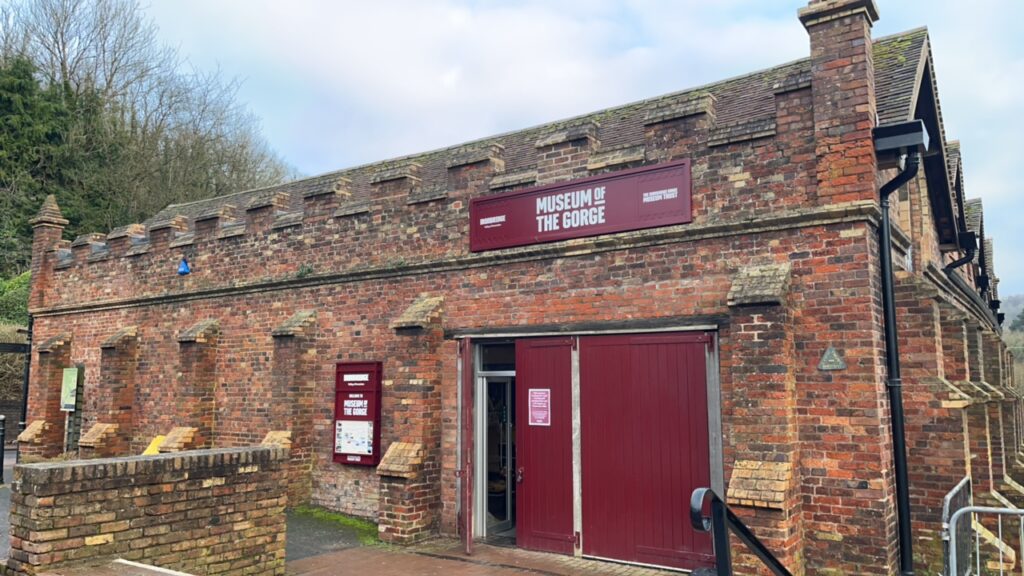
As well as residential properties, the scheme was also targeted at businesses and several museums located in areas at risk. The mixed funding sources meant both flood resistance and flood recoverability measures could be considered.
Further details of the flood protection scheme are available on the Telford and Wrekin website here.
At the outset of the project, RAB Consultants attended a drop-in engagement event with the Council to explain the scope of the scheme and provide an opportunity for eligible property owners to sign-up for a survey. A broad range of properties were eligible for the scheme, including residential properties, shops, pubs and museums.
The Council provided RAB Consultants with fluvial flood model outputs for the River Severn to inform the hazard assessment of the properties at risk. This was supplemented with freely available flood risk information from the Environment Agency relating to the risk of flooding from surface water, reservoirs and groundwater.
PFR surveys commenced in November 2024, with all 30 surveys completed over a 3-month programme.
The PFR surveys comprised a thorough assessment of the flood history and at each property based on the findings of the hazard assessment and historical flooding pathways reported by the property owners. This ensured the surveys adequately addressed all areas of concern, including where alternative flooding pathways had been experienced, including groundwater rise and backflow through sewers and drainage systems).
The PFR surveys comprised a full assessment of each property to:
Although the Council had indicated a preference for passive flood resilience measures wherever possible, the recommended measures considered:
Many properties within the scheme already benefit from flood resistance measures therefore bespoke surveys were undertaken where we introduced new and innovative assessment criteria to inform the requirements for replacement or upgrades to existing PFR measures:
The survey findings were set out in a single combined report with a bespoke hazard assessment, property survey and outline design detailed for each property, and these three elements all aligned with Stages 1 -3 of the Code of Practice for PFR.
As of Spring 2025, the installation of PFR measures has yet to commence so it is not yet possible to quantify the flood risk benefits to the properties which signed up to the scheme.
RAB Consultants will be re-engaged upon appointment of the installation contractor to collaborate and determine the final design with the Council and property owner, and to complete post-installation audits, observing wet testing and ensuring homeowners have had an appropriate handover; to include:
The PFR surveys and development of outline recommendations had to adequately consider the unique flood risk context of many properties within the gorge:
Taking account of all of the above, it is beneficial that the Council are not fully constrained by the design parameters set out in the Environment Agency PFR Framework as it means funding can be used to implement recoverability measures and potentially other bespoke solutions should flood resistance measures not deemed to be suitable at an individual property. This will ensure all properties can benefit from an increased level of resilience from flooding.
Being prepared for potential flooding is an important element of being flood resilient as it leads to approaches to use PFR measures. It’s about understanding your flood risk, now and for the future.