Case study
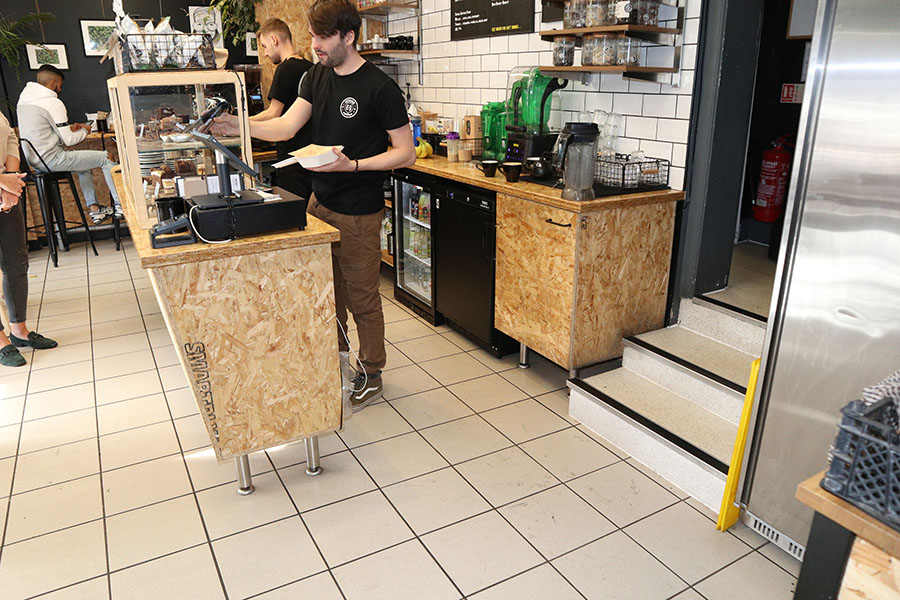
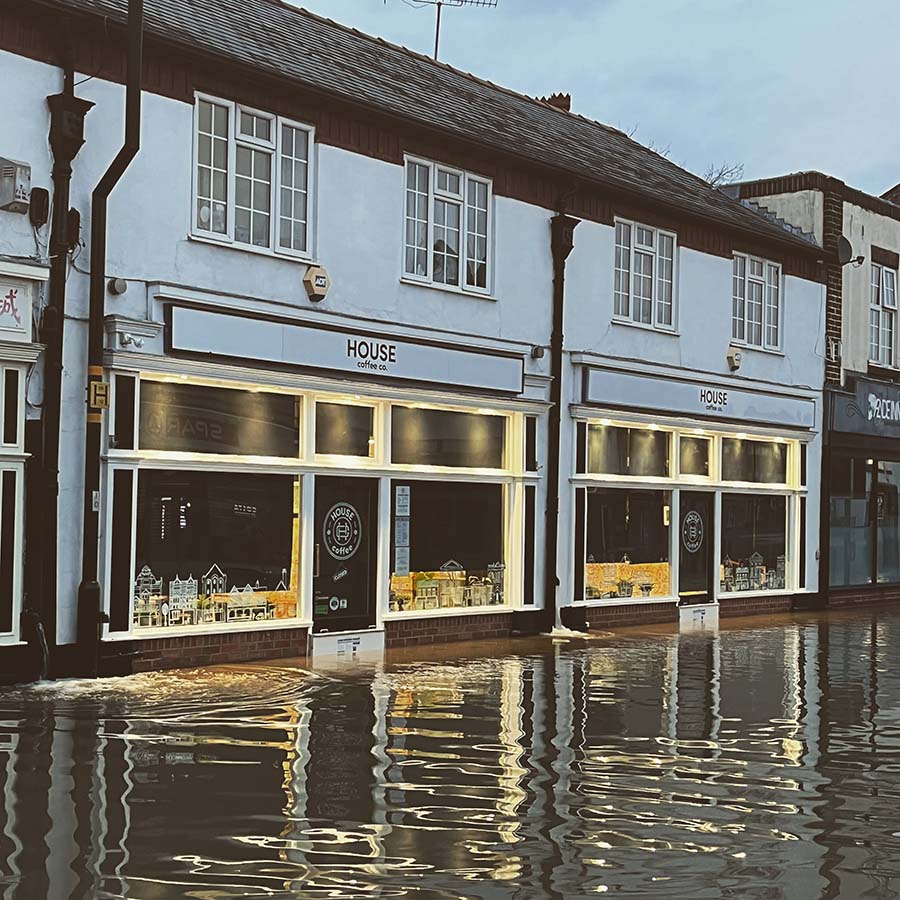
This is a case study of a commercial property, an independent coffee shop in Shrewsbury, that has been flooded multiple times in recent years. The coffee shop had been flooded in the severe flood of 2000, but not recently when the cafe owners chose it. It has since been flooded 5 times in just two and a half years, including twice in February 2020 within 9 days. The floods have caused significant disruption, with water levels reaching 60cm outside and 30cm inside the shop.
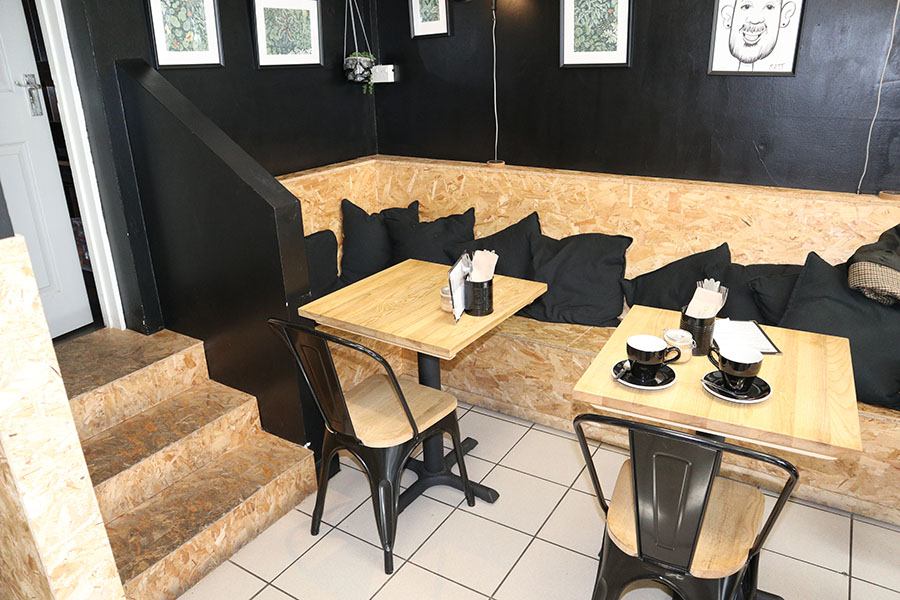
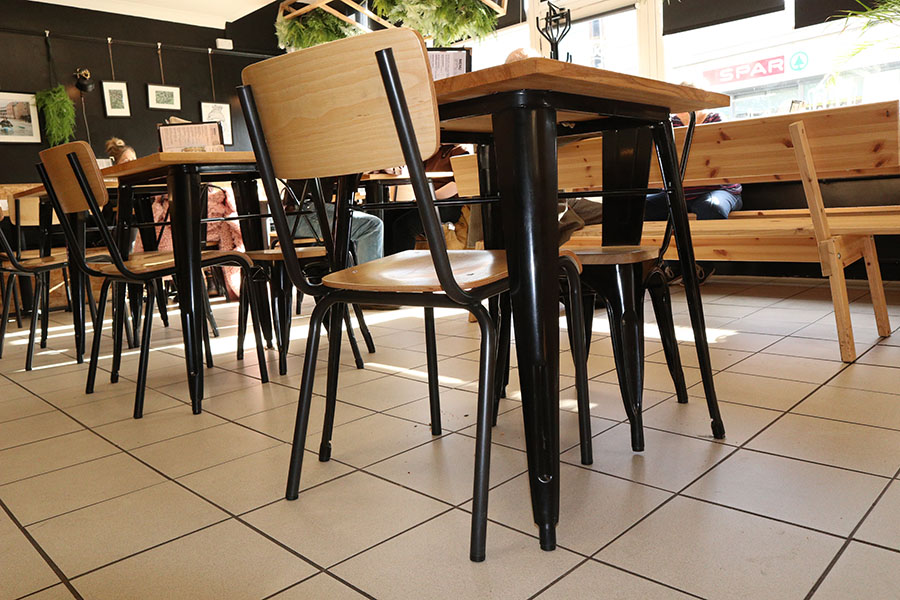
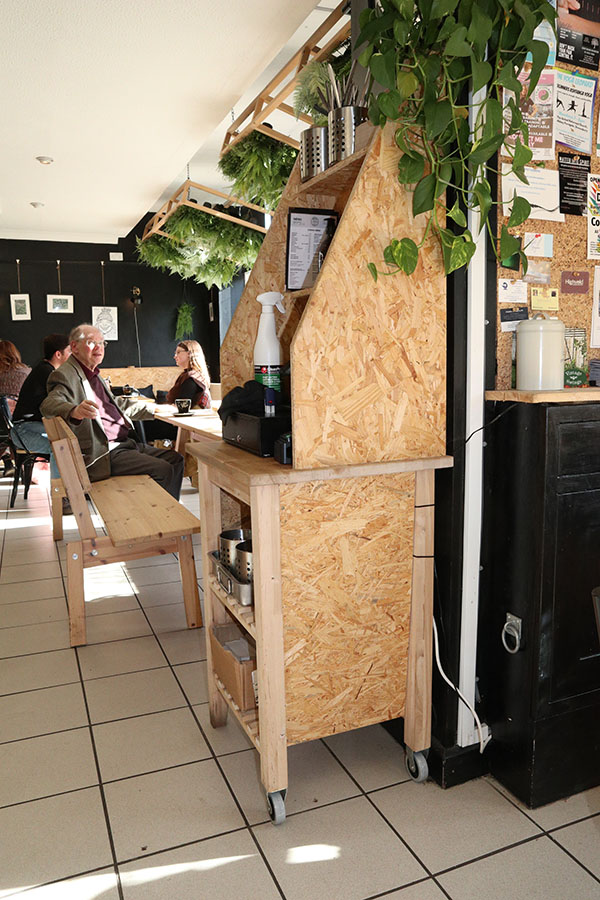
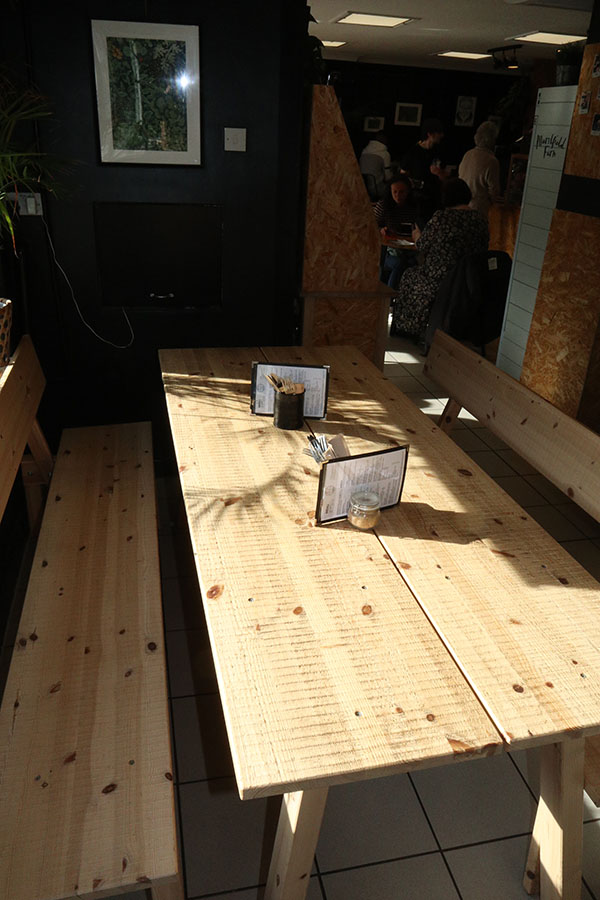
To address the frequent flooding, the owners have made several adaptations to their property, including using flood-recoverable materials, installing flood barriers and submersible pumps, and choosing an “industrial chic” design aesthetic that is both flood-resistant and appealing to customers. Despite the financial challenges, the owners have demonstrated that it is possible to quickly recover from floods through careful planning and cost-effective measures.
This case study highlights good practice in flood resilience for commercial properties, particularly the use of affordable, flood-resistant materials and quick-recovery strategies that allow the business to reopen soon after a flood event. It provides valuable insights for other small businesses facing similar flooding challenges.
The owners of the House of Coffee in Shrewsbury have undertaken a series of measures to enhance the flood resilience of their commercial property after experiencing repeated flooding events (pic 4).
A range of passive and active flood protection measures were implemented at the property. These included:
Challenges and positives:
The limited financial resources available to a small, independent business presented a significant constraint. Prioritising cost-effective, flood-resistant solutions that also complemented the desired aesthetic of their coffee shop proved to be a pragmatic solution to flood resilience.
Interaction with stakeholders:
The shop owners were able to access a government grant to fund a kitemarked flood barriers to both doors and submersible pumps.
The impact of flooding on this business has been drastically reduced by PFR measures. The use of flood-recoverable materials, the installation of tiled flooring, which can be quickly cleaned and sanitised after a flood and the flood barriers and submersible pumps to actively protect the property have proved helpful in limiting the intensity of the flooding and the financial impact.
The PFR measures mean the shop can quickly recover from flood events. During a flood in February 2022, flood water only came in through the neighbouring shop. The owners were able to clean up, sanitise, and reopen the coffee shop the next day, minimising disruption to their business and ensuring continued service to their loyal customers.
Unfortunately, the owners do not have flood insurance, as it is deemed too expensive for their small business. However, the steps they have taken to enhance the property’s flood resilience allow them to reduce the risk and limit the financial consequences of flooding.
The flood barriers and pumps were put to the test during the 2022 flood event and proved to be highly effective, preventing any water from entering the premises through the door. This demonstrated the success of the owners’ flood resilience strategy in practice.
Key achievements and outcomes:
What worked well:
Challenges and how they were overcome:
This case study demonstrates that effective flood resilience can be achieved even for small businesses with limited financial resources. It provides a model for other small commercial property owners to follow, showcasing innovative and pragmatic approaches to enhancing flood resilience.
Being prepared for potential flooding is an important element of being flood resilient as it leads to approaches to use PFR measures. It’s about understanding your flood risk, now and for the future.