Road closed sign on bridge
Concerned about flooding?
Check the latest flood warnings now
stone resistant cement

Case study

Property Flood Resilience on a mid-terraced residential property

Context

This is a case study of a mid-terraced residential property in Cockermouth, Cumbria that has been flooded multiple times, with the most severe flood occurring in 2009 when the property was submerged in 46cm (18 inches) of water. It highlights the homeowner’s experience of recovering from these floods and the various flood-resilient measures she has implemented, such as elevating the boiler, installing a wood-burning stove, and using water-resistant materials throughout the home. The property was the first customer for the Flood Re insurance scheme when it launched in 2016.

Contributor

Mary Long-Dhonau - Flood Mary

Learn more

What was done

Recoverable measures included:

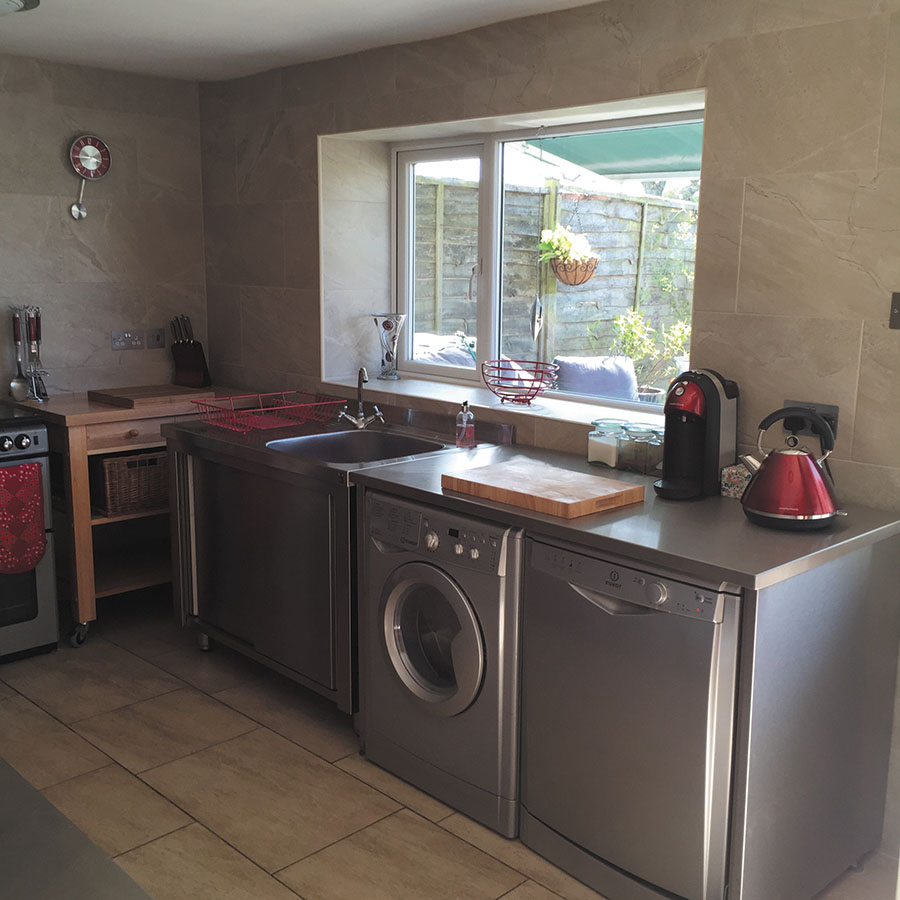
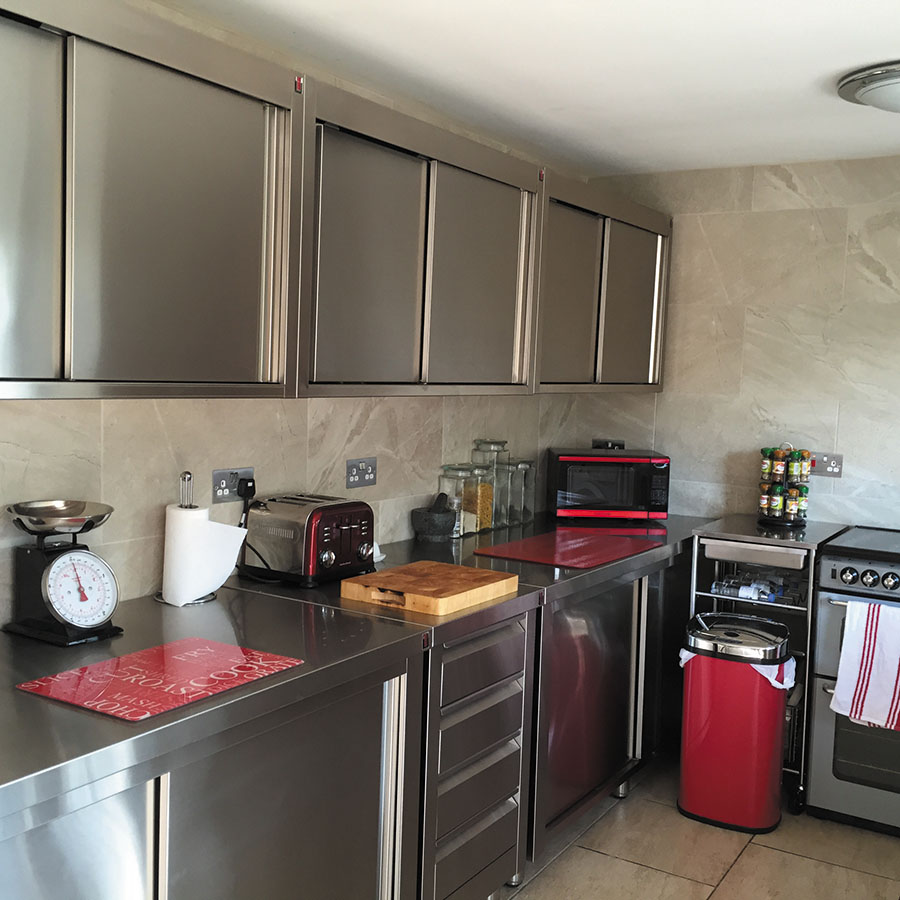
  • Free-standing stainless-steel kitchen with free-standing appliances, which can be moved to safety (pic 2 and 5). The walls are fully tiled using water-resistant cement and grout.
  • Internal door re-hung with hinges allowing it to be lifted off and moved upstairs.
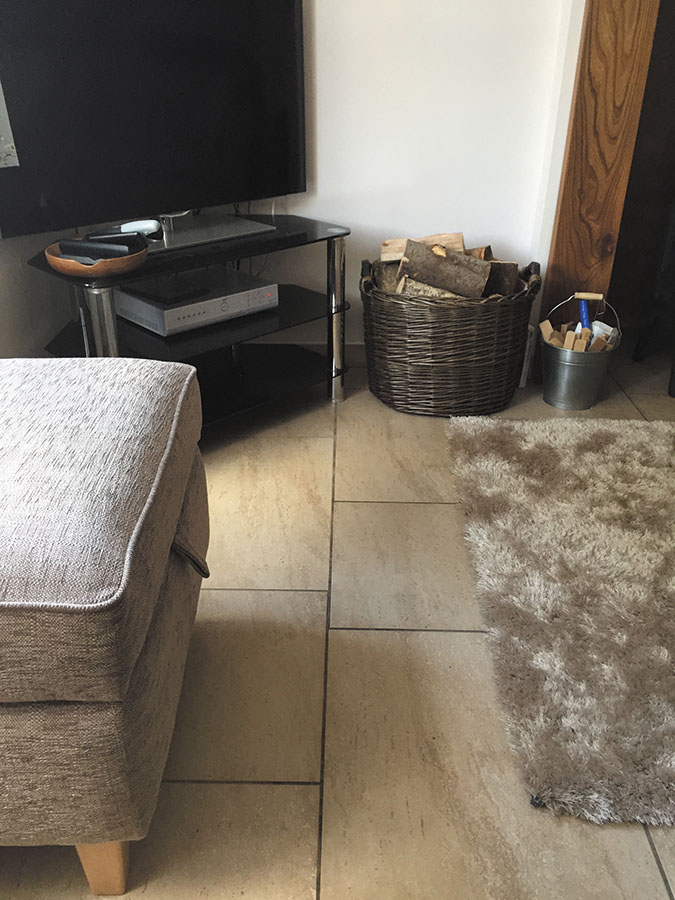
  • The ground floor is tiled throughout, using water resistant cement and grout (pic 3) – it can be hosed down and disinfected after a flood.
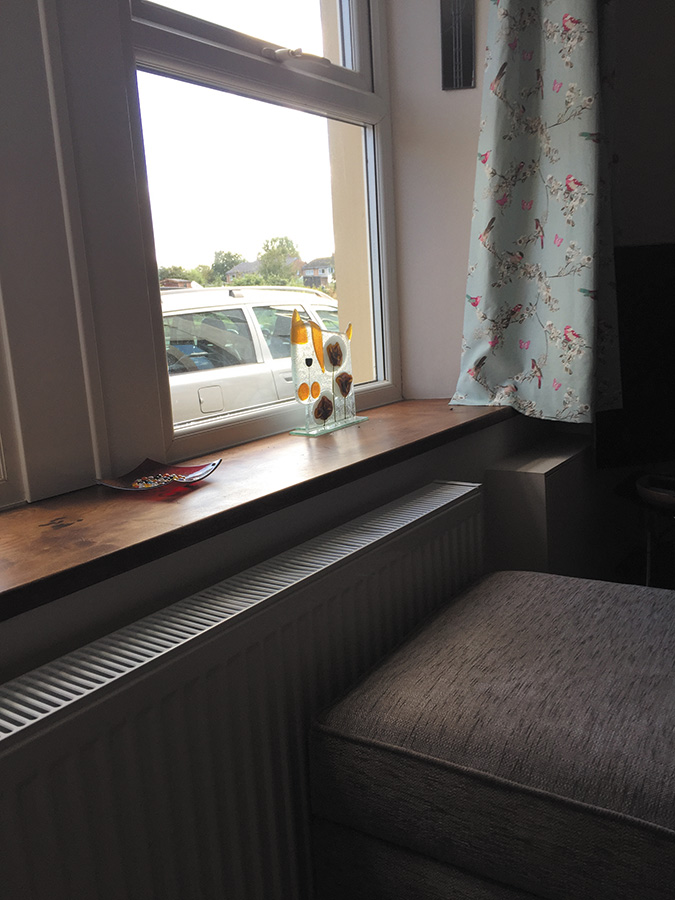
  • The windowsills are made of hardwood instead of the usual easily damaged softwood (pic 4).
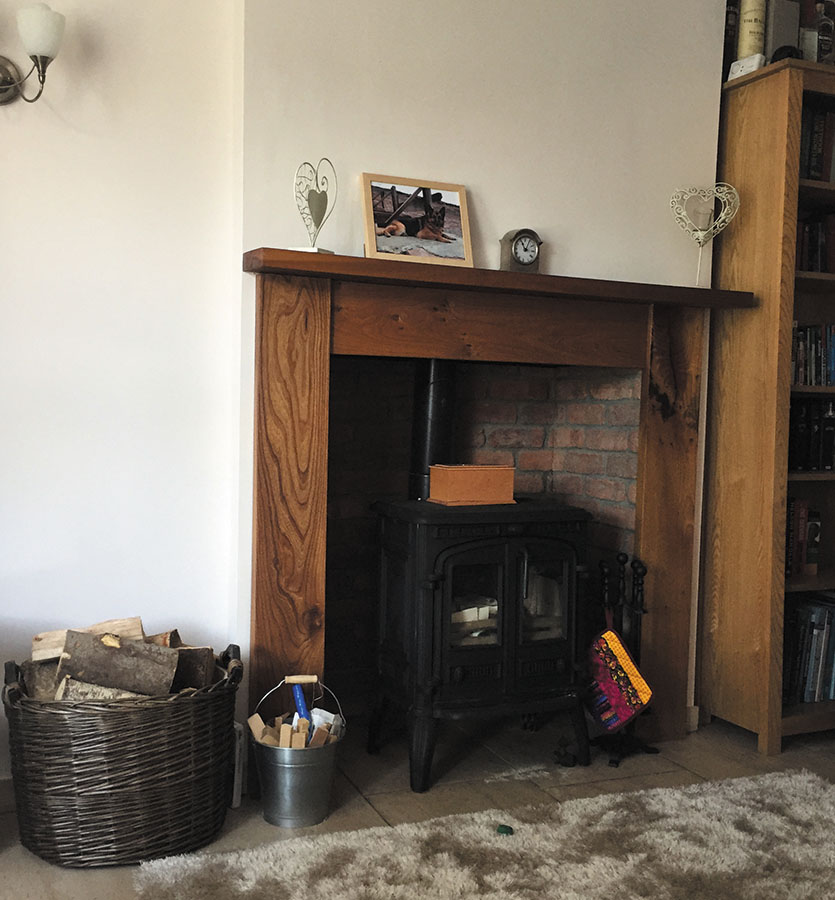
  • The fireplace surround is also made from hardwood, and has successfully survived a flood (pic 1).
  • A flood-resistant door has been installed, which allows additional time for moving items before the water has to be let in.
  • The gas central heating boiler was moved upstairs, so that there is now no loss of hot water or heating in the aftermath of a flood.

The homeowner made use of the government’s £5,000 grant to fund modifications after the 2015 flood. The property then become the first customer for the Flood Re insurance scheme when it launched in 2016.

The case study highlights a proactive approach to improving the flood resilience of a home through a range of passive and low-cost measures, enabling faster recovery after flood events. It demonstrates good practice in residential flood adaptation.

Type of flooding: Surface water
PFR process: Preparation, Design, Construction, Operation/maintenance
Approach used: Resistance measures, Recoverability measures
Resistance PFR measure: Flood doors/windows
Recoverability PFR measures: Recoverable walls, Recoverable flooring, Recoverable location of services, Recoverable fixtures and fittings
Type of property: Residential
Funding: Private, Public sector funding
Procurement: Private

What was the impact?

Recoverability measures have reduced the time and energy needed to clean up after a flood, while moving the gas boiler mean that some quality of life is maintained even after a flood event.
Lessons learnt

  • PFR measures through range of passive and low-cost measures led to improved flood resilience and faster recovery times after flood events.
  • The homeowner lost flood insurance coverage after the 2009 flood. This illustrates the driver for FloodRe. insurance scheme and is a successful example of its use.
  • The homeowner originally was hoping to secure flood defences for the community, which were not put in place.

Gallery

View more
case studies

Being prepared for potential flooding is an important element of being flood resilient as it leads to approaches to use PFR measures. It’s about understanding your flood risk, now and for the future.