Road closed sign on bridge
Concerned about flooding?
Check the latest flood warnings now
Flood barrier

Case study

A Property Flood Resilience scheme @ Essex

Context

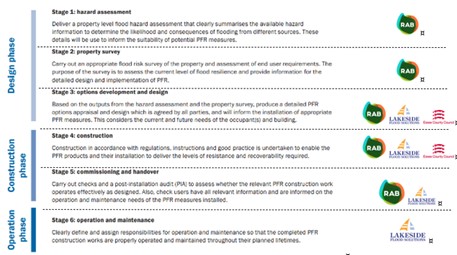
Essex County Council (ECC) has spearheaded Property Flood Resilience (PFR) in recent years. It’s grant funding scheme has been established since 2014, the longest running scheme led by a Local Authority nationwide. The scheme pays for the installation of flood resistance products to homes by means of an £8,000 Flood Grant. Homeowners can apply for the grant if their homes have been flooded or if they are at risk of flooding by completing a short application form online. The entire end-to-end delivery process is managed by the Council’s appointed installation contractor, Lakeside Flood Solutions with PFR surveys, options development and assurance provided by RAB Consultants and is market leading as it represents the first application of the CIRIA Code of Practice (CoP) for Property Flood Resilience (C790) in the UK, demonstrating effective collaboration across organisations.
The most recent contract under the scheme (2018 – 2022), has boasted its highest uptake to date following the changing climate and some of our wettest winters resulting in a record number of 296 applications being managed between 2018-2022.

The scheme has empowered hundreds of homeowners to be able to protect their properties and livelihoods, ensuring that when a flood re-occurs, the community as a whole is more resilient and can recover more quickly.
Contributor

RAB Consultants, Andy McHugh

Learn more

What was done

The contractor’s appointment to manage the end-to-end service delivery, in conjunction with flood surveyors and consultants, has resulted in efficient programme management and, in turn, efficient delivery. The average time from application to survey is 21 days, and from survey to installation of the measures 3 months. Effective engagement and homeowners’ participation in the design review process (CoP Standard 4, Step 2) increased uptake rates.

Those who received the grant cited clear communications, survey quality and ‘choice/installation of products’ as key reasons why they participated.

The introduction of a Design Review stage (Cop Standard 4, Step 2) were agreed by all organisations including the Environment Agency (eligibility per property is on a case-by-case basis). To support this, new Design Principles were implemented including:

  1. Bespoke protection height levels: no longer a blanket ‘one-size-fits-all’ protection height level of 600mm.
  2. Acceptance of an alternative, reduced set of measures or measures to certain elevations only when:
    • Recommendations based on local information on flood history in addition to national scale modelling.
    • Subject to the surveyor/consultant providing the “appropriate person” rationale as to how the measures reduce flood risk and move the property down a flood risk band.
Partners: RAB Consultants & Lakeside Flood Solutions
Type of flooding: River/fluvial, Surface water, Groundwater
PFR process: General management and delivery, Preparation, Planning, Design, Operation/maintenance
Approach used: Resistance measures
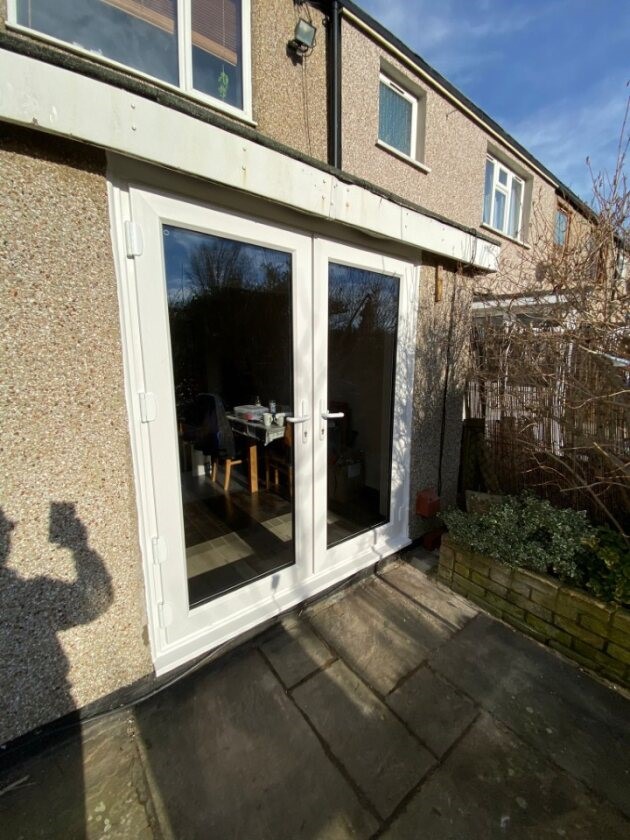
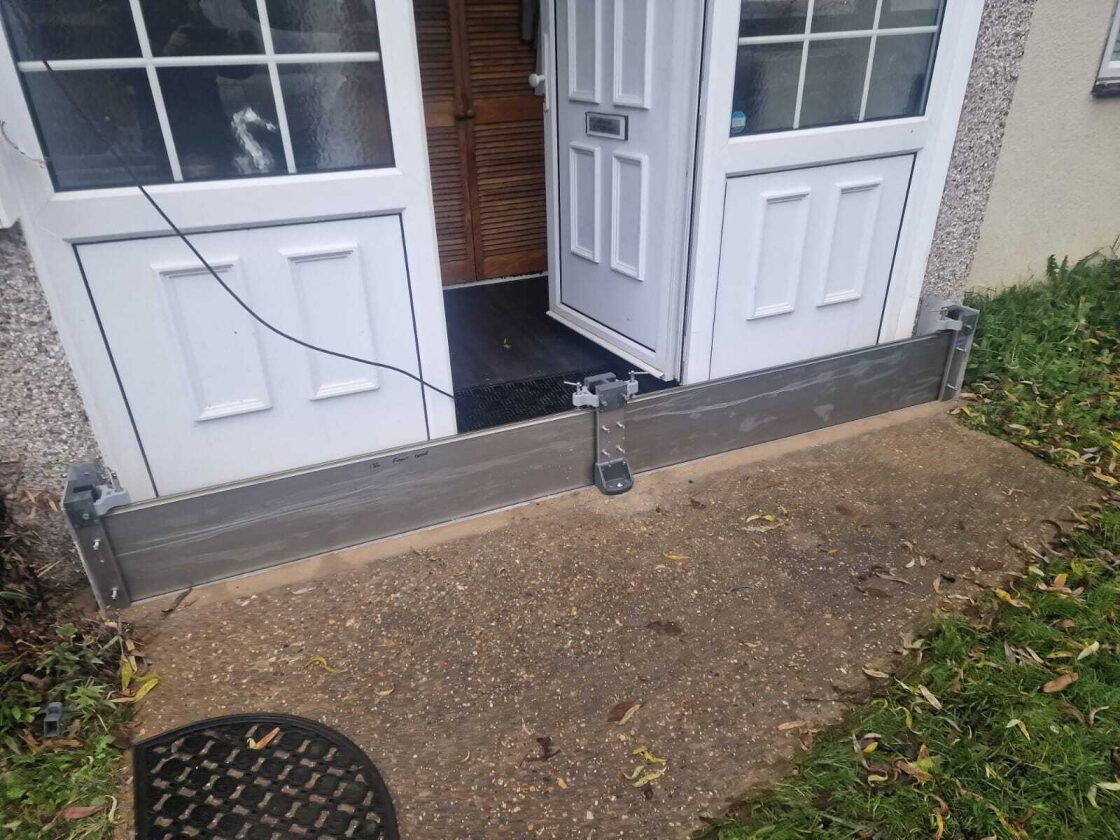
Resistance PFR measure: Flood barriers/covers, Flood doors/windows, Self-closing airbricks, Air vent protection, Non-return valves, Toilet bungs, Sump pumps, Sealing of walls, Re-pointing
Type of property: Residential
Funding: Public sector funding, FDGiA, Local levy
Procurement: EA PFR Framework

What was the impact?

The scheme represents a blueprint for PFR delivery with other Local Authorities, enabling it to identify and seize opportunities for innovative funding. Felixstowe and Suffolk Councils allocated additional funding to the scheme and delivered PFR for their own constituents, taking advantage of the established processes, best practice and route to market available via the established ECC scheme. The PFR delivered within Felixstowe and Suffolk represented incremental funding of £146,500.

Furthermore, the scheme represents an approach that can be adopted elsewhere. The scheme demonstrated how the CoP can be implemented within a real-life PFR delivery scenario. All other PFR schemes nationwide would benefit from the lessons learnt and delivery improvements yielded.

Lessons learnt

Collaboration is essential in successful PFR delivery.

The new Design Principles directly increased both scheme eligibility and homeowner uptake due to the flexibility they provide for homeowners,  and ensuring economies of scale and efficiencies with the overall funding budget for the client. This is ever more important with the current economic landscape and the cost-of-living crisis. The Design Principles increased the number of homes protected and reduced their flood risk at a lower cost.

Covid-19 resulted in new safe working practices and methodologies to include issuing questionnaires to residents prior to the survey to capture as much information as possible on the property, the residents and the internal layout, appliances and furnishings. This provided two benefits:

  • A greater ‘buy-in’ from residents, empowering them to provide responses to specific questions in an accurate fashion.
  • A greater efficiency when delivering the PFR survey, enabling more time for the surveyor to carry out the detailed survey and to explain the survey findings, which encouraged buy in and managed expectations.

Gallery

The scheme also received significant backing from Councilor Walsh, Cabinet Member for Environment and Waste, who said “It’s the busiest period we have ever seen. This grant has been hugely successful and helps to put residents’ minds at ease after being affected by flooding”.

View more
case studies

Being prepared for potential flooding is an important element of being flood resilient as it leads to approaches to use PFR measures. It’s about understanding your flood risk, now and for the future.