Case study
Glasson Dock, a small coastal village near Lancaster, has long played a dual role as both a working port and a close-knit residential community. In 2024, this balance was severely threatened by the failure, and eventual removal, of a vital hydraulic sea gate. The gate was part of the area’s wider flood defence system, protecting homes and businesses near the River Lune estuary, which connects to Morecambe Bay and the Irish Sea.
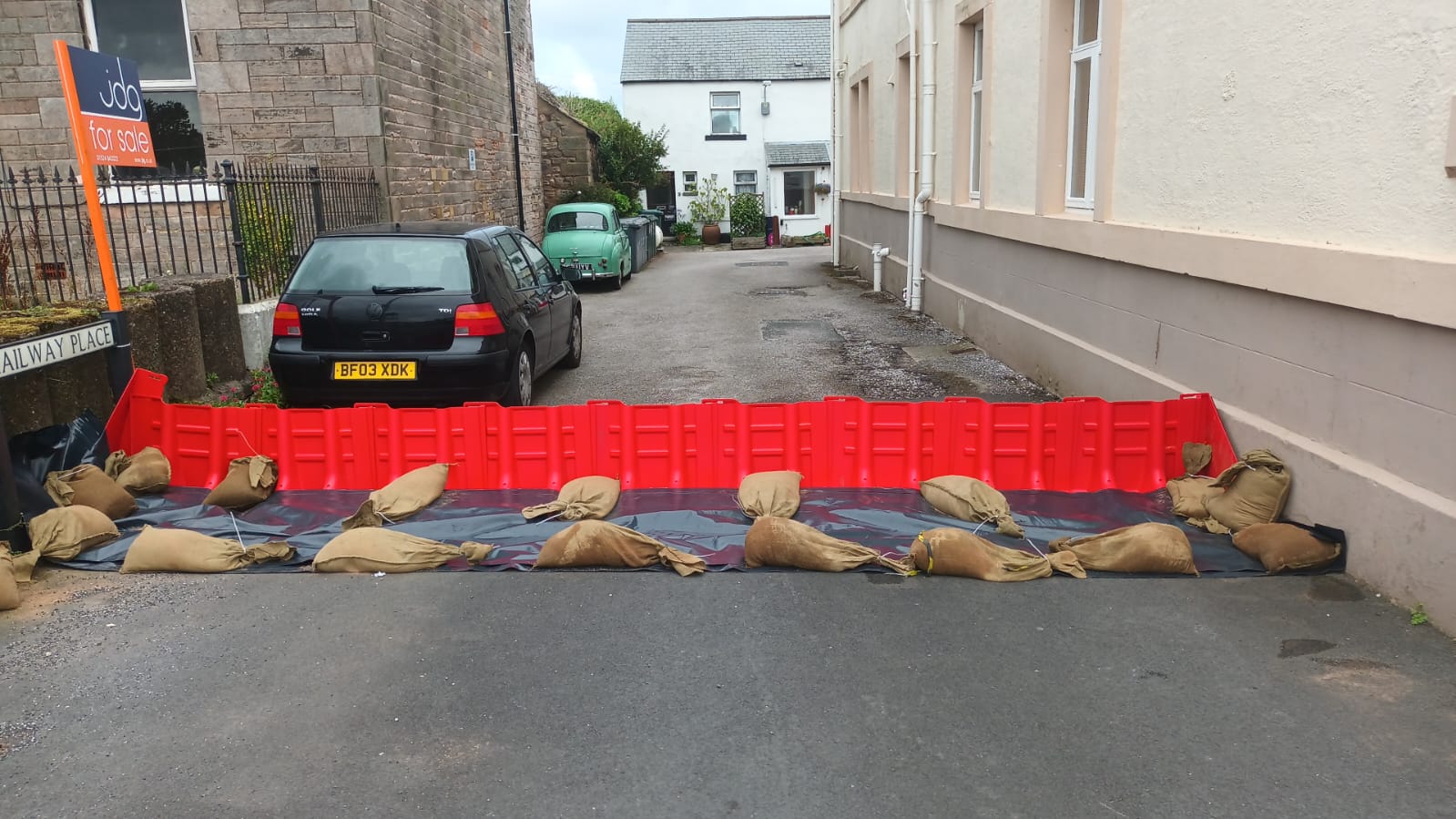
With the year’s highest tide forecast for 22 August, and permanent repairs on the sea gate delayed until at least 2025, urgent action was vital to safeguard the village’s most vulnerable areas: Victoria Terrace and Railway Place.
Local councillor Sally Maddocks worked closely with the Environment Agency and Watertight International, who was tasked with designing and delivering a rapid, community-focused flood protection scheme.
Watertight was contacted at the height of the crisis and responded immediately. The team was immediately mobilised to the site, conducting property surveys and designing a tailored flood resilience scheme under intense time pressure.
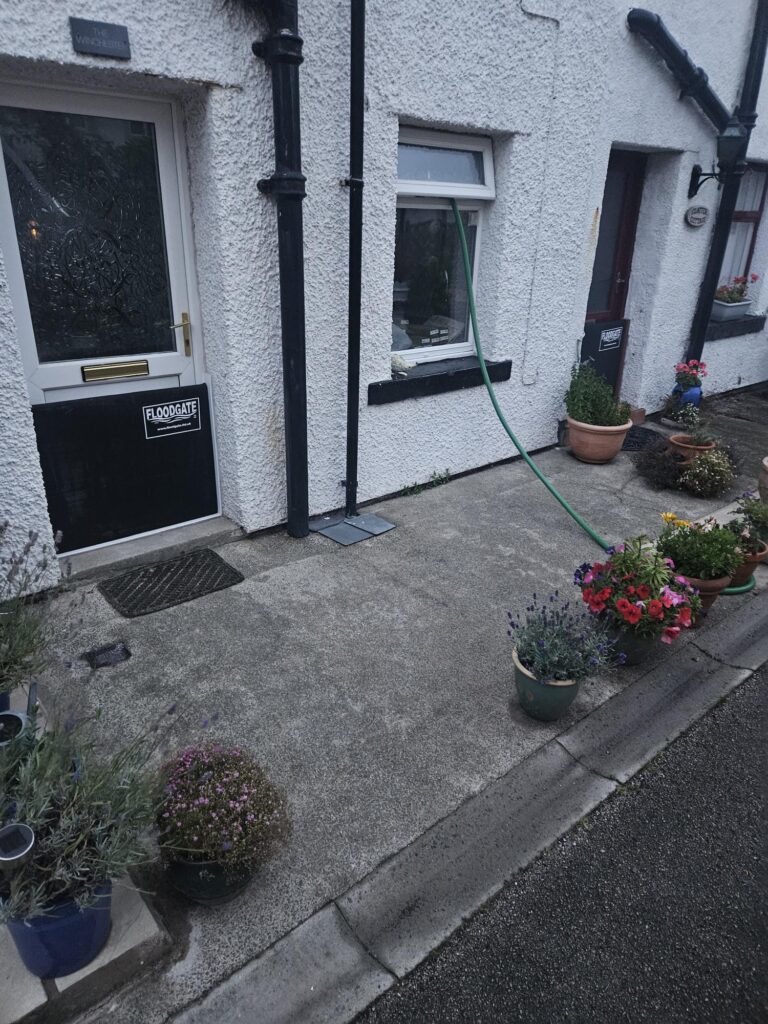
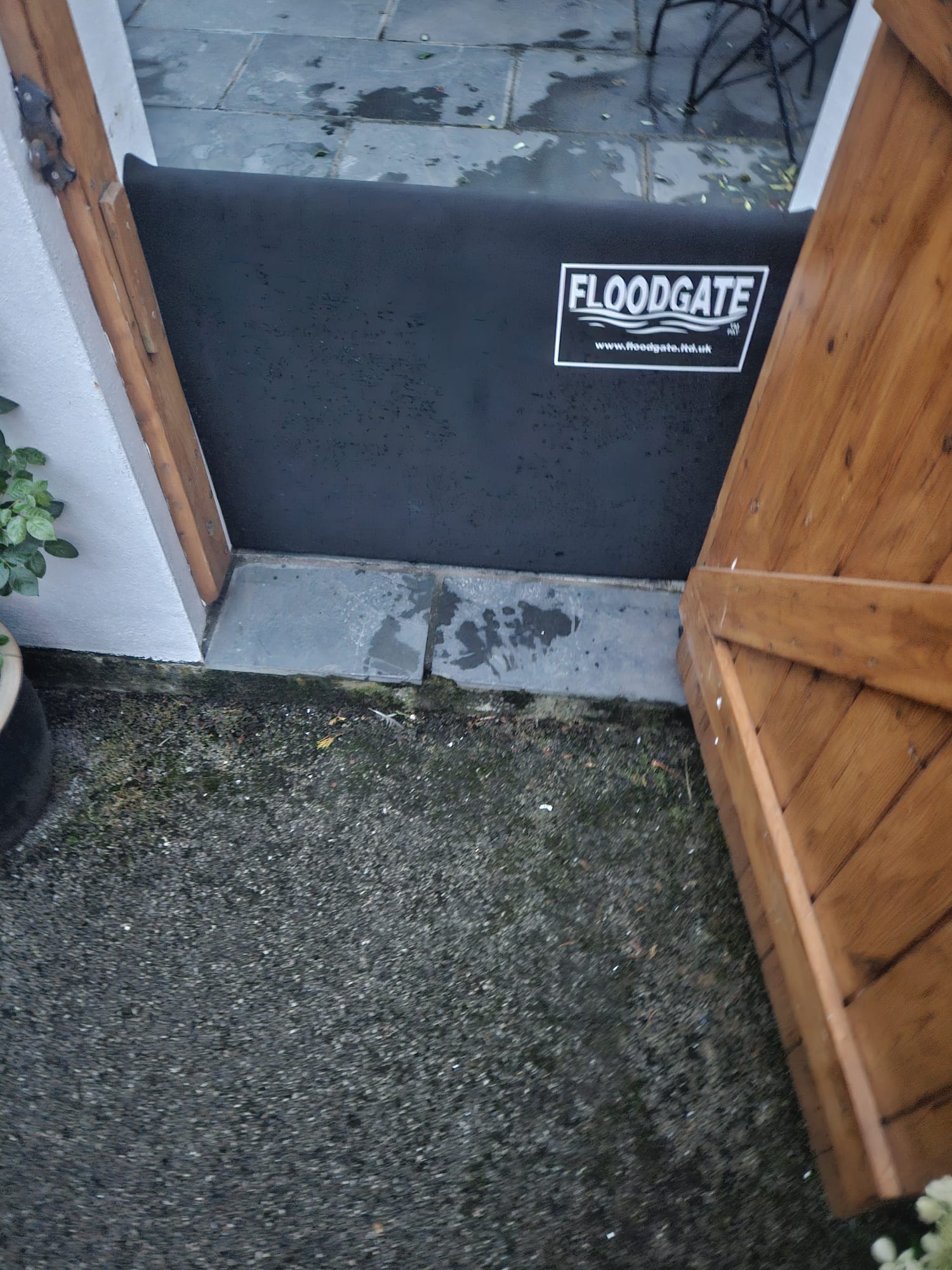
In just three weeks, Watertight successfully installed bespoke flood protection measures to 23 properties, including 15 homes and eight commercial premises such as the Port of Lancaster. This included flood barriers, brickwork defences and non-return valves, all of which were adapted for each property.
Crucially, Watertight took a person-first approach throughout the project. Installations were delivered with vulnerable residents in mind, including elderly individuals and those with disabilities, ensuring usability, accessibility and reassurance.
At the same time, Watertight supported the establishment of a new community-led Flood Action Group. Residents were provided with hands-on training, educational sessions and ongoing support to build flood awareness and confidence in managing risks going forward.
“The result was not just a safer community, but a more empowered one.”
The scheme was completed ahead of the anticipated high tide — and none of the 23 protected properties flooded; a testament to the success of the swift and collaborative approach and delivering both practical and emotional reassurance to the community.
Beyond the technical achievements, the project brought together community members, the local authority and the Environment Agency under a shared mission: to safeguard Glasson Dock through collective action. New relationships were forged, tensions were eased and long-standing gaps in communication were bridged, and all within a matter of weeks.
The significance of this work was nationally recognised when the project was awarded the Community Action Award at the Environment Agency’s Flood & Coast Excellence Awards 2025. The scheme stood out as a shining example of what pragmatic, community-led flood resilience can achieve, under pressure.
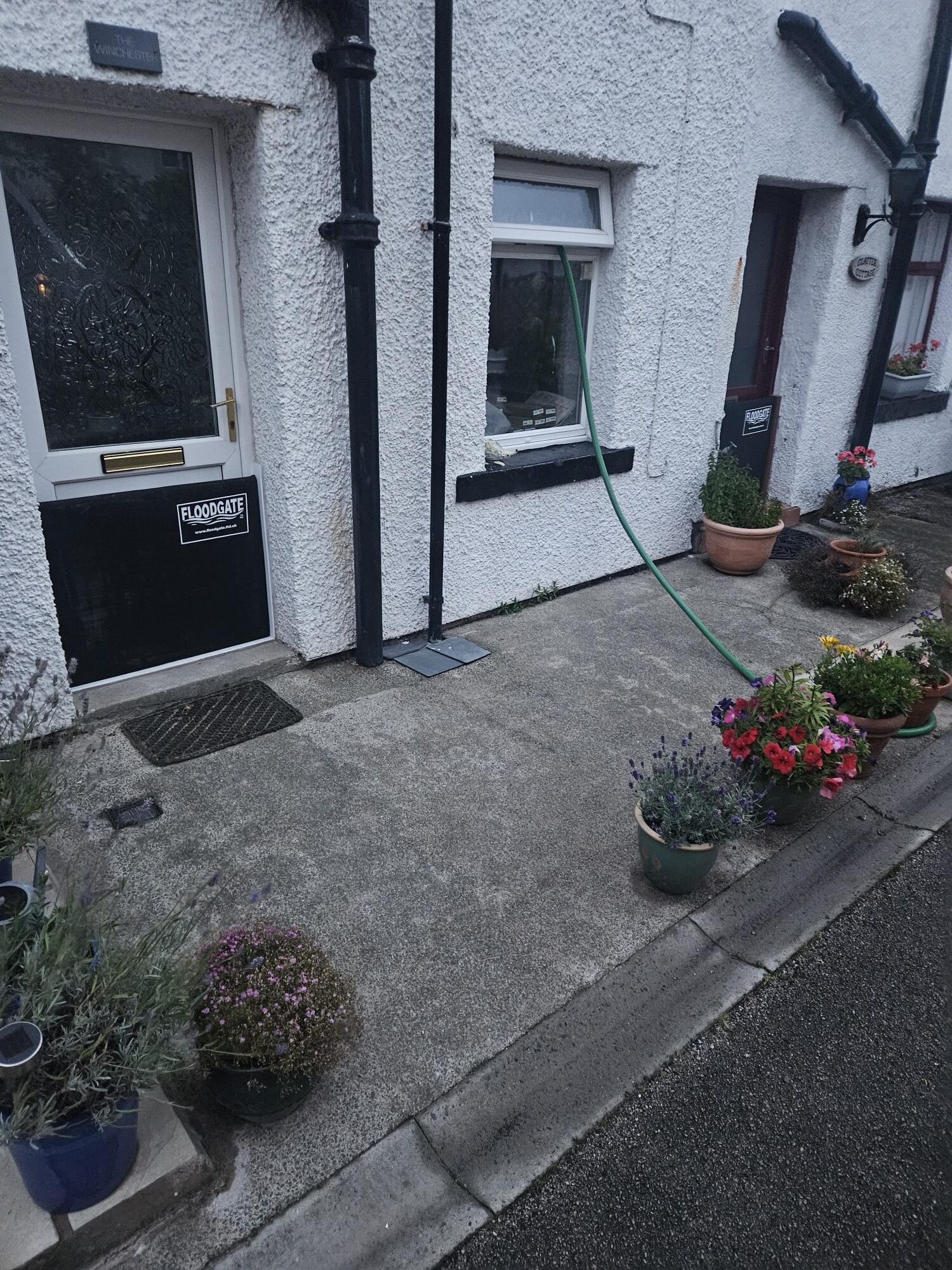
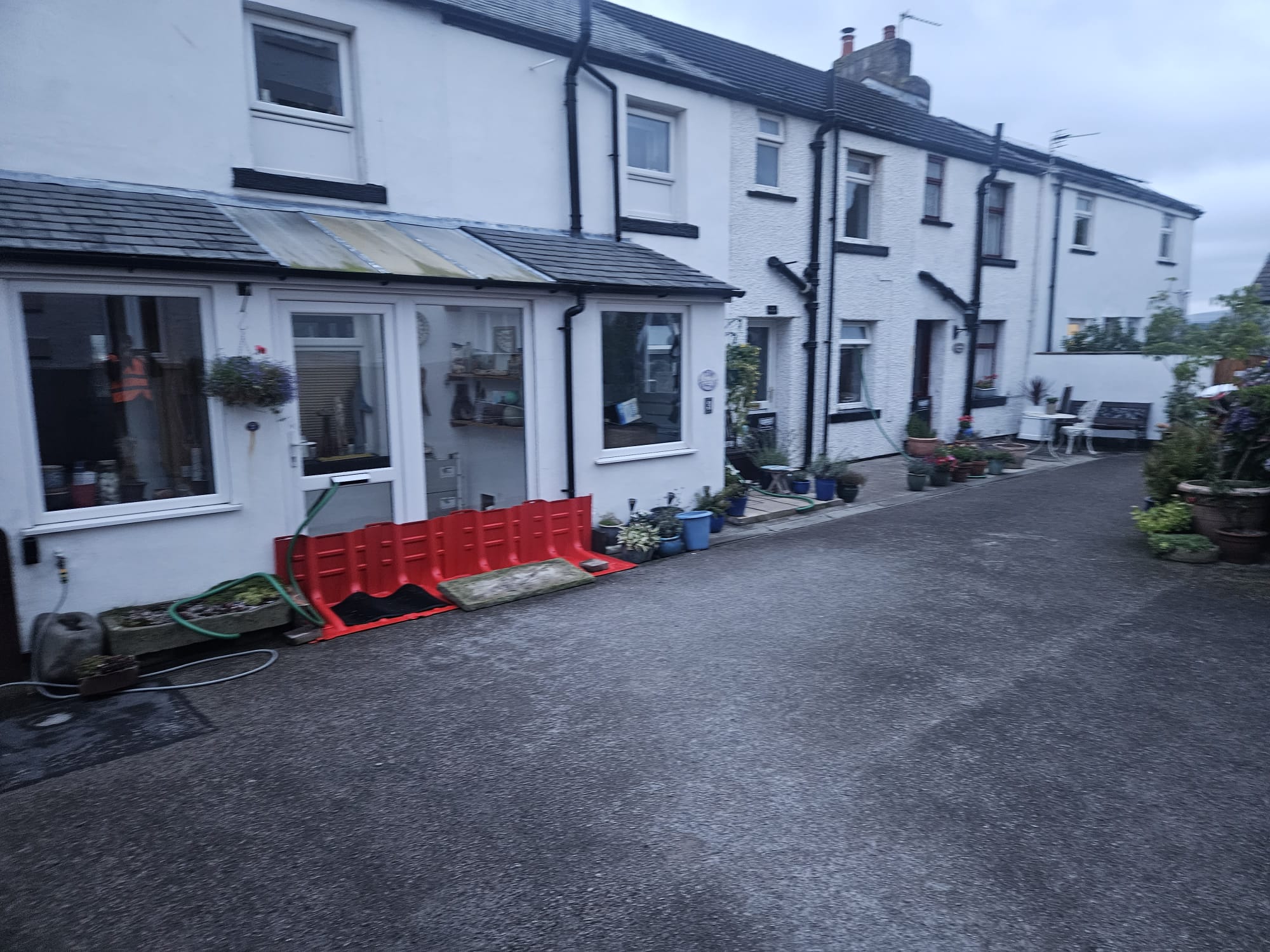
Sally Maddocks, Councillor, Chair of Licensing:
“I live in Glasson Dock and I’m a city councillor – my community was opened to a flooding risk after 30 years of being protected. This was from a sea gate that had been poorly maintained, and in the end necessitated a removal, which meant my community was open to a real risk of flooding.
“The EA contacted Watertight and with just three weeks’ turnaround they came and gave us a range of flood resilience measures that enabled the community to become more aware and prepared. I can absolutely say, without any hesitation, that Watertight went the extra mile to look after the vulnerable people in our community.”
Sally Watson, Resident:
“I can categorically confirm that my house is now a fortress! What was impressive for me was how Watertight managers navigated tricky local politics and historical grievances. Such was their managerial skill and ability to bring people together in a community and were instrumental in the establishment of our Flood Forum. We were consulted at every stage and given proper training. We’re now more knowledgeable and confident in protecting ourselves.”
Mark Arrowsmith, Operations Director, Watertight:
“Watertight, alongside the Environment Agency and Lancaster City Council, was proud to deliver a people-first flood resilience scheme that truly showcased what can be achieved when urgency meets collaboration.”
Being prepared for potential flooding is an important element of being flood resilient as it leads to approaches to use PFR measures. It’s about understanding your flood risk, now and for the future.