Road closed sign on bridge
Concerned about flooding?
Check the latest flood warnings now

Case study

Property Flood Resilience at a sports pavilion @ Devon

Context

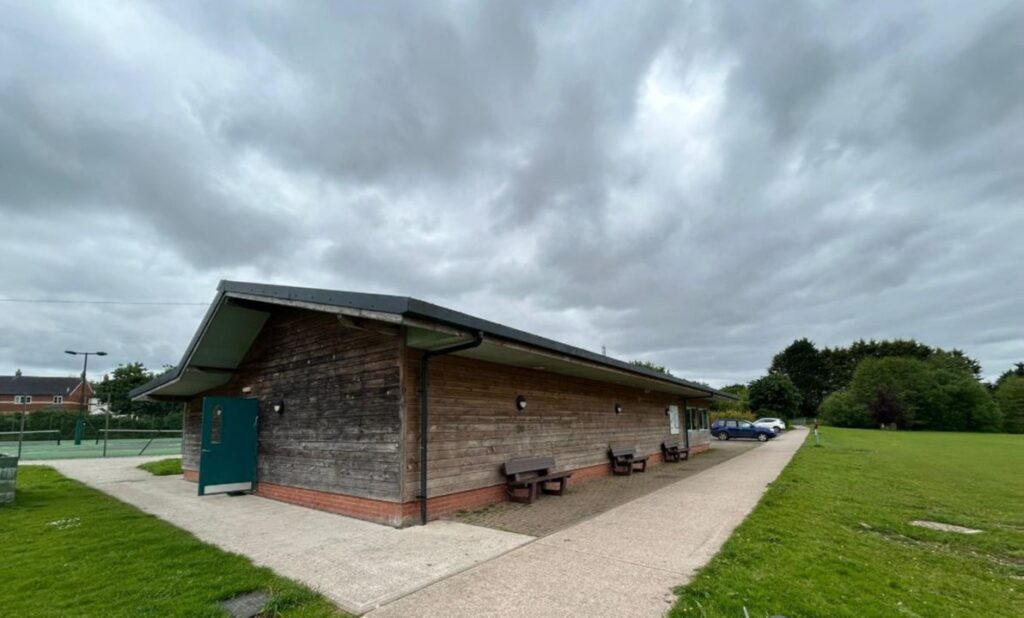
Longmead pavilion sits on the edge of the village of Hemyock, in the National landscape of the Blackdown Hills in Devon. The village has been subject to flooding regularly from surface water and the river Culm, with the worst floods of recent years occurring in 2012, 2007 and 2008 and the pavilion flooded (internally and externally) most recently in November 2023 in an event where a car had to be pulled from the water at Station Road. The pavilion is a community facility built to service the sports grounds adjacent, which is extensively used by local people and has met the criteria of a Community Asset as characterised by the PFR element of the Devon Resilience Innovation Project. This means that the building can be used by residents for shelter, hot food and drink when residential properties may be unusable in a major flood event such as those which are anticipated with the progress of climate change. PFR was fitted in order to test and trial innovative approaches to increase flood resilience in small rural catchments across Devon.
Longmead Pavilion


Contributor

Gale Alexander, Devon Resilience Innovation Project Manager

Learn more

What was done

The property sits in a classic rapid response catchment within Flood Zone 3, with the Pavilion at medium surface water and high fluvial risk from the river Culm which flows adjacent to the north eastern edge of the sports grounds, with tributaries which border the site 50 metres away from the building.  There are also reports of poorly functioning drains in the local area which posits the risk of foul drainage flood.  After survey by Jeremy Benn Associates, who carried out the initial survey and M3 Floodtec who manufactured and installed the selected measures, the following recommendations were made and installed:

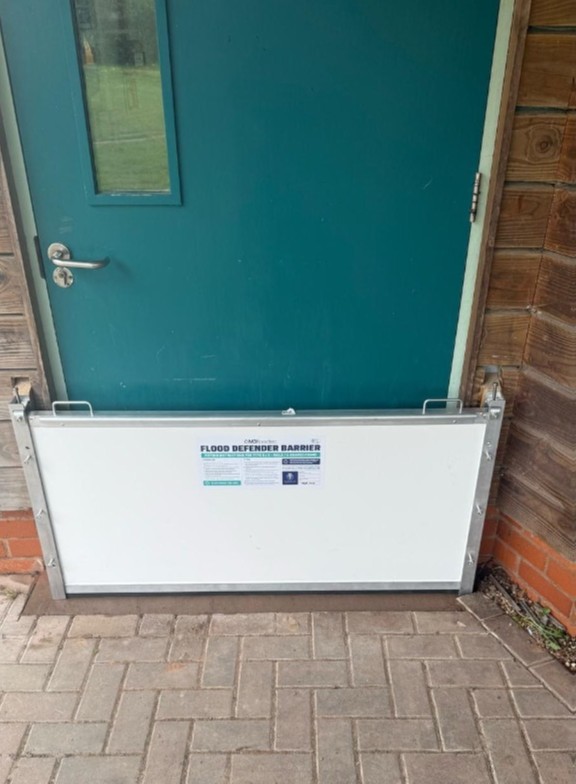
  • 4 door barriers to be installed on all entrances and exits to toilets, front doors, fire escape.
  • 2 puddle pumps supplied for emergency pumping in the event of internal water ingress
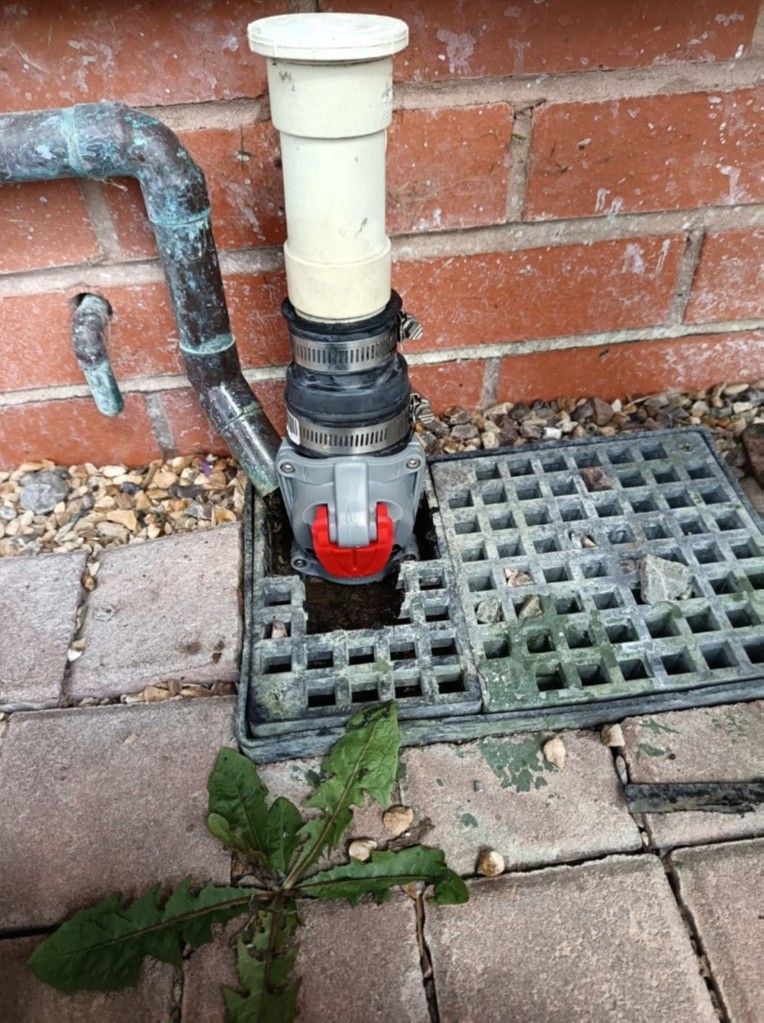
  • 6 Non return valves fitted onto drainage and sewerage infrastructure
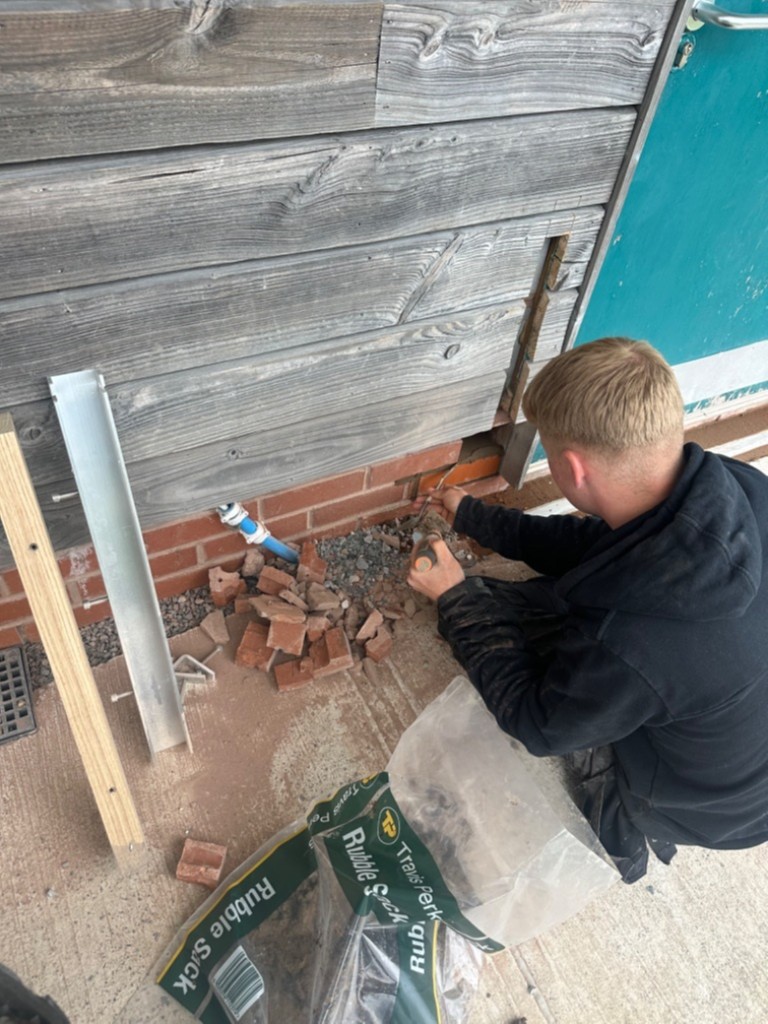
  • Replacement of 3 cracked bricks on the lower part of the building where a brick foundation sits beneath a timber frame and body.
  • 2 toilet bungs left with building managers
  • 5 BW valves fitted to various outlets/inlets of the boiler


Type of flooding: River/fluvial, Surface water, Sewer/drainage
PFR process: Planning, Design, Construction
Approach used: Resistance measures, Recoverability measures
Resistance PFR measure: Flood barriers/covers, Re-pointing, Sealing of walls, Non-return valves, Toilet bungs
Type of property: Public
Funding: Public sector funding
Procurement: EA PFR Framework, Public sector

What was the impact?

Having been only recently installed (April 2025), the measures have yet to be properly tested in a flood due to the prolonged dry period, but the management committee are now fully prepared to act in the event that the property is needed to shelter community members. Knowledge sharing as a result of the project has increased awareness of measures which can be taken in order to respond to and recover from flooding more rapidly and having suffered less damage than if these works to the building and subsequent engagement had not been carried out.

Lessons learnt

Proactively selling PFR to a community who have not reactively reached out for support is infinitely more complex.

The engagement required needs to be extensive and break through many different perceived barriers. The questions we were repeatedly asked during the engagement campaign for our Work Package 2 which consulted with property managers and owners across 10 different catchment locations were;

Will it impact on the value of the business? What if I want to sell?

Is this a scam (targeted recipients suspicious of 100% grant funding offer)?

Does it really flood here? –  even communities who flood are still unaware of climate change flood forecasts in their area and how flooding may be exacerbated.

Engagement should ideally sit with a single point of contact – we were unable to resource this solely and so engagement was split across the different organisations involved, but this was not ideal.

Community Asset buildings are typically leased, in some cases governed by a management committee or group, and more likely to be listed. All of these situations lead to a much longer lead in time to survey and installation.

Gallery

View more
case studies

Being prepared for potential flooding is an important element of being flood resilient as it leads to approaches to use PFR measures. It’s about understanding your flood risk, now and for the future.