Case study
This is a commercial office building in York that was flooded in 2015 during Storm Desmond. The office block is a shared facility occupied by over a dozen different companies.
The building was flooded to a depth of 30cm (1 foot) in the internal lobby and lift areas. Following the flood, the building was reinstated to be more resilient to future flooding events. Following advice from the Association of British Insurers the building was able to utilise government grants to help fund the flood mitigation measures.
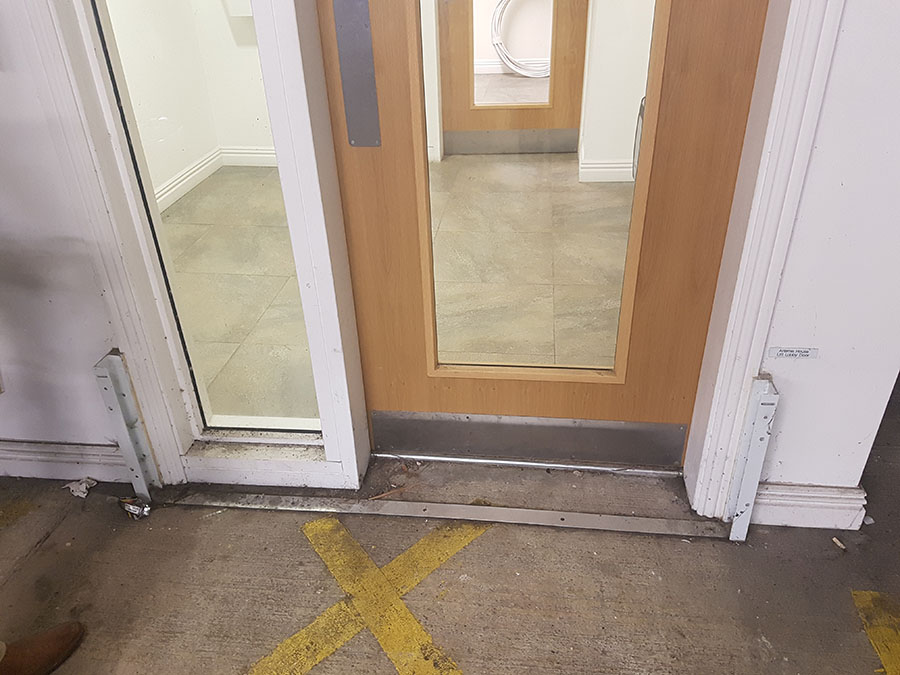
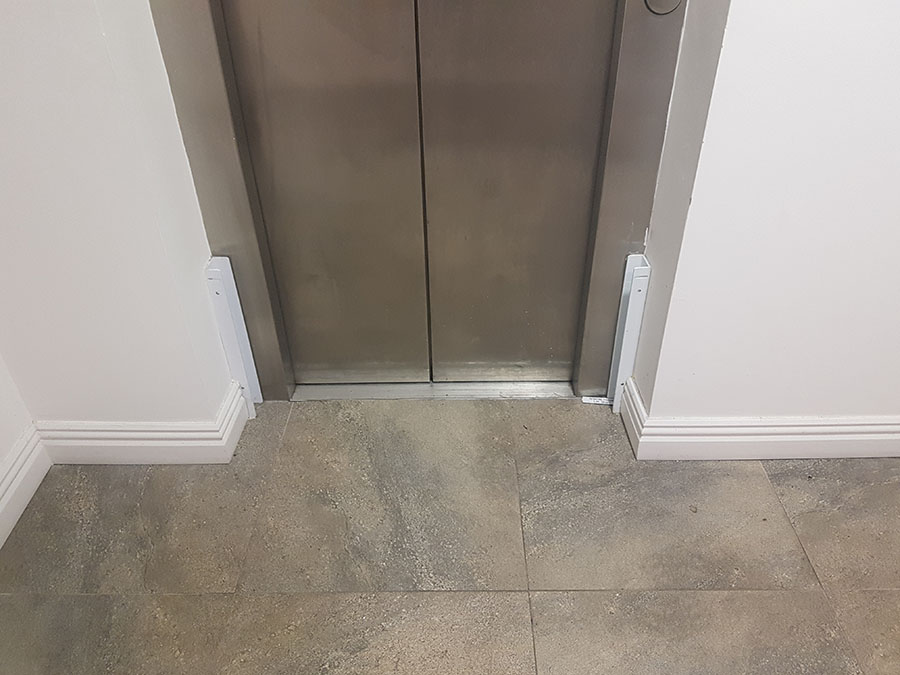
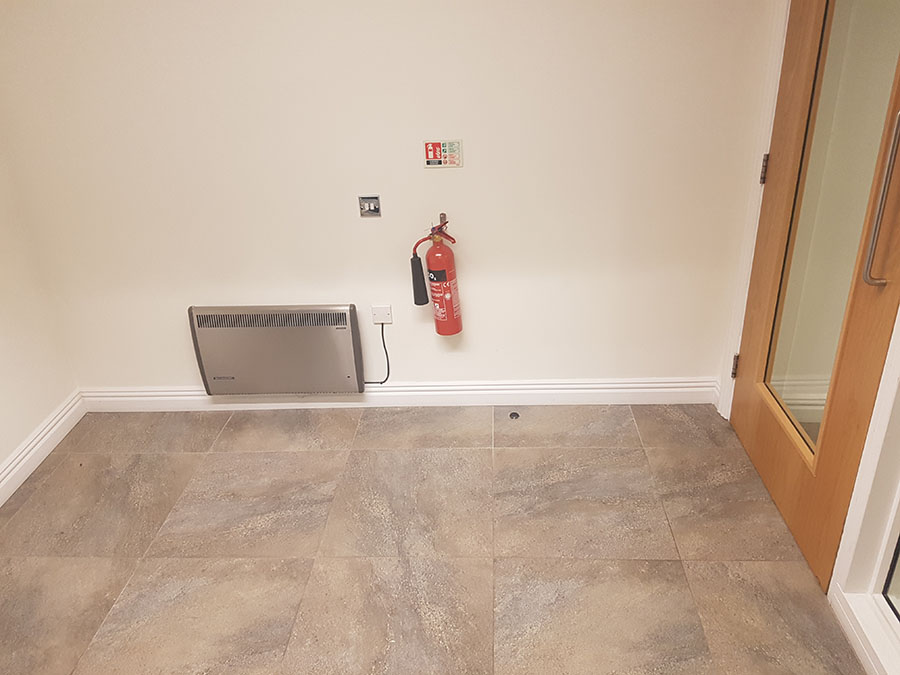
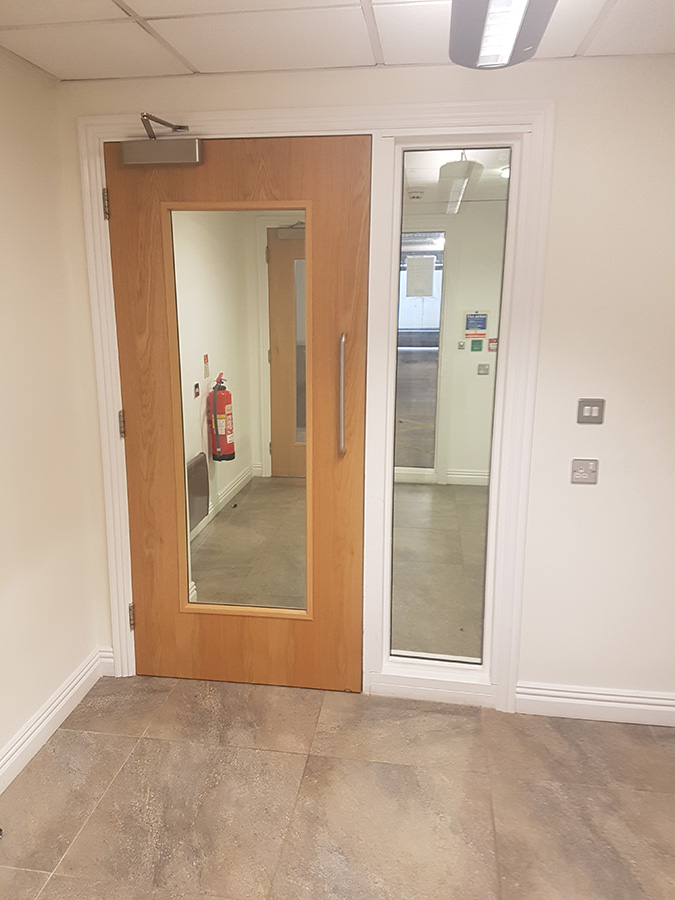
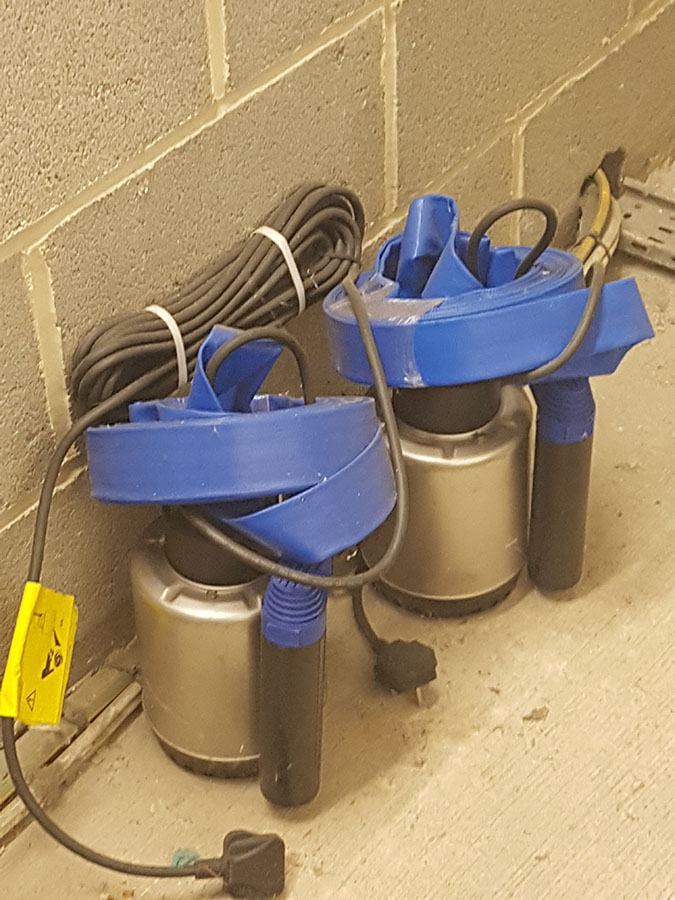
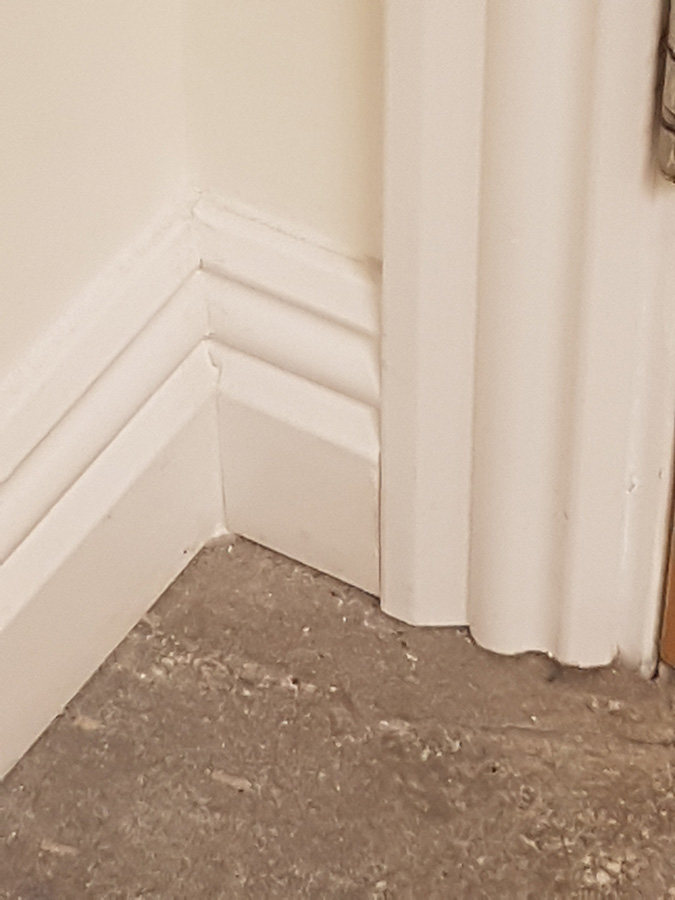
The key flood resilience measures implemented include using waterproof materials for the entrance lobby floors, UPVC skirting boards and door architraves, raised electrical systems, breathable renovating plaster, and the installation of flood barriers and non-return valves. The building also has two puddle pumps to help with water removal in future flood events.
This case study highlights good practice in retrofitting an existing commercial property to improve its flood resilience, utilising a combination of material upgrades and specialised PFR measures.
After the 2015 flood, the building owners and managers worked with Loss Adjusters, and surveyors to assess the flood risk and develop a flood resilience strategy for the property.
The approach focused on a combination of passive and active flood resilience measures. Measures included:
The building also had two puddle pumps installed to facilitate rapid water removal if needed during future flood events (pic 5).
Challenges and positives:
As a modern commercial building, this property did not face the same challenges that may be encountered when retrofitting flood resilience measures in heritage or older structures. The use of UPVC and other water-resistant materials allowed for relatively straightforward installation without significant impacts on the building’s aesthetic or character.
This project utilises government grants to help fund the flood resilience upgrades.
The building owners and managers worked closely with the Association of British Insurers to develop and implement the flood resilience strategy.
Resistance-wise, the flood barriers at the lift entrances, doorways, and around the cooling system plant provide a physical resistance against floodwaters entering the building. The addition of non-return valves on the building’s drainage system helps prevent backflow of waters into the property.
Recoverability-wise, the use of water-resistant materials like ceramic tiles, UPVC skirting boards and door architraves, and breathable renovating plaster have improved the building’s ability to withstand and recover from flood. The two puddle pumps installed can facilitate the rapid removal of any floodwaters that do enter the building.
The various companies occupying the office spaces have benefited from the increased confidence and peace of mind provided by the enhanced flood resilience measures.
Achievements:
What worked:
Challenges
Being prepared for potential flooding is an important element of being flood resilient as it leads to approaches to use PFR measures. It’s about understanding your flood risk, now and for the future.