Case study
The Harbour Inn in Southwold, Suffolk, is a pub and brewery that experiences regular flooding, particularly during the months of October to February. The property has been flooded multiple times, including in 2013 and 2019, due to its location below sea level. The inn has implemented various flood-resilient measures, such as using water-resistant materials, movable equipment, and effective flood monitoring and preparation strategies. The case study highlights the property manager’s proactive approach to managing flood risk, which has allowed the business to reopen quickly after flood events, making it a valuable example of good flood resilience practices for commercial properties.
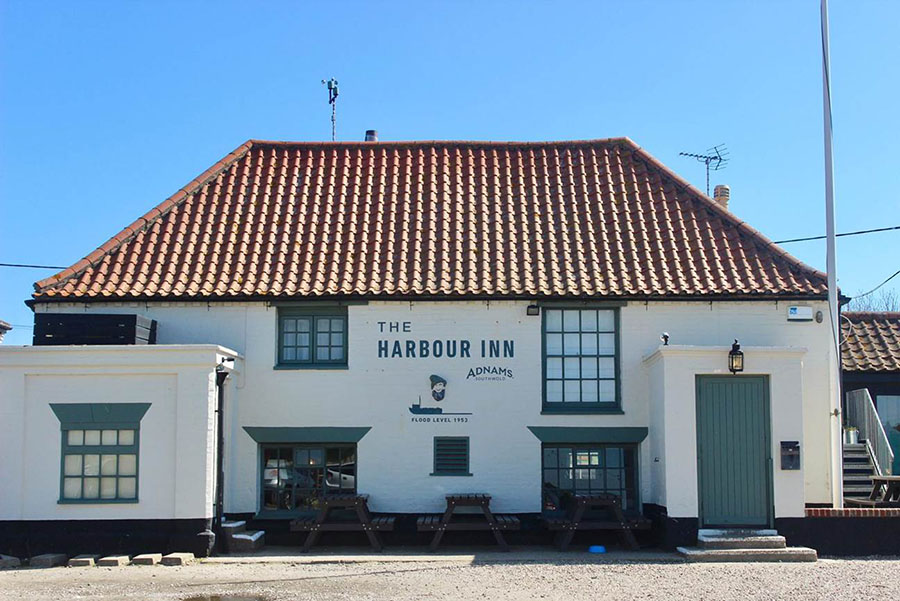
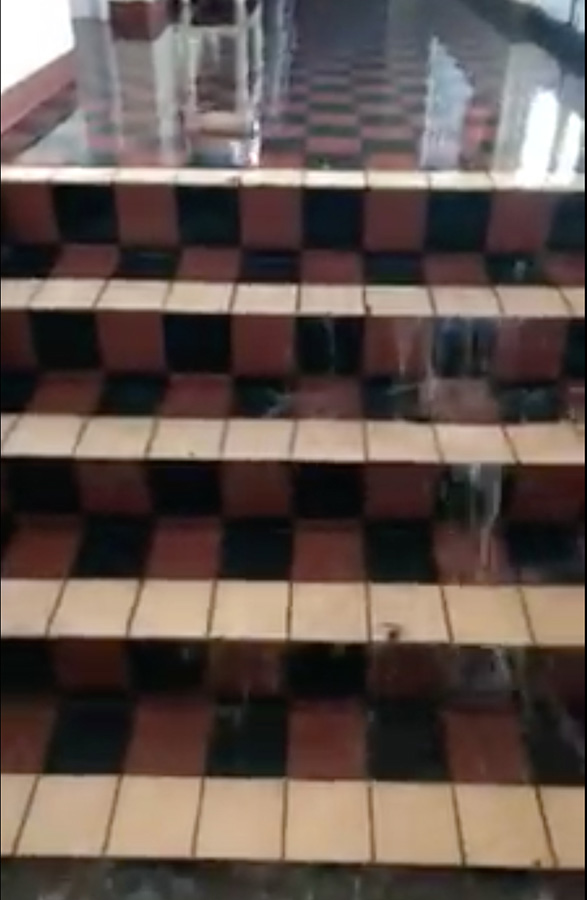
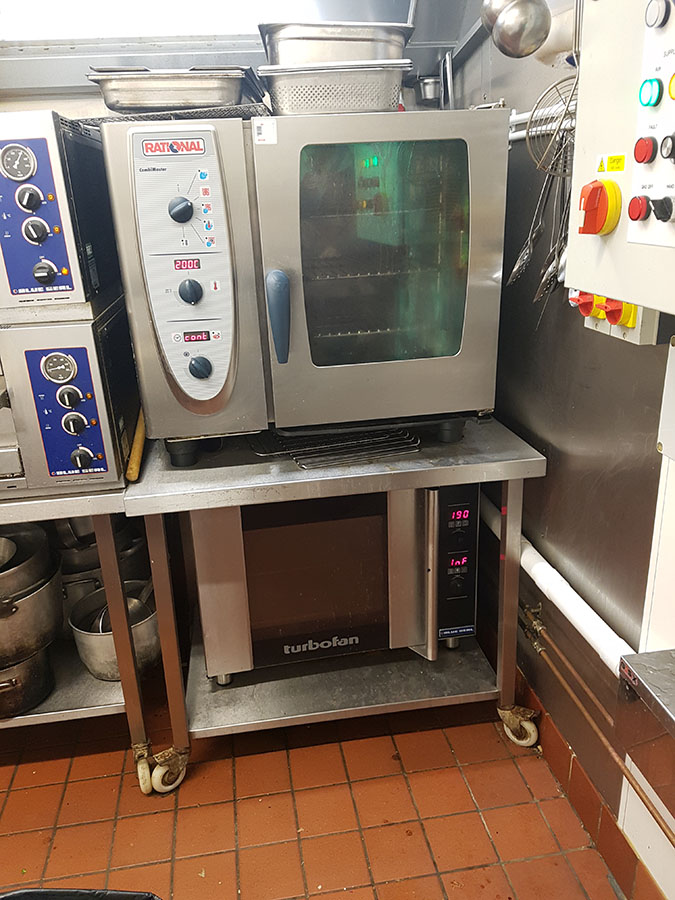
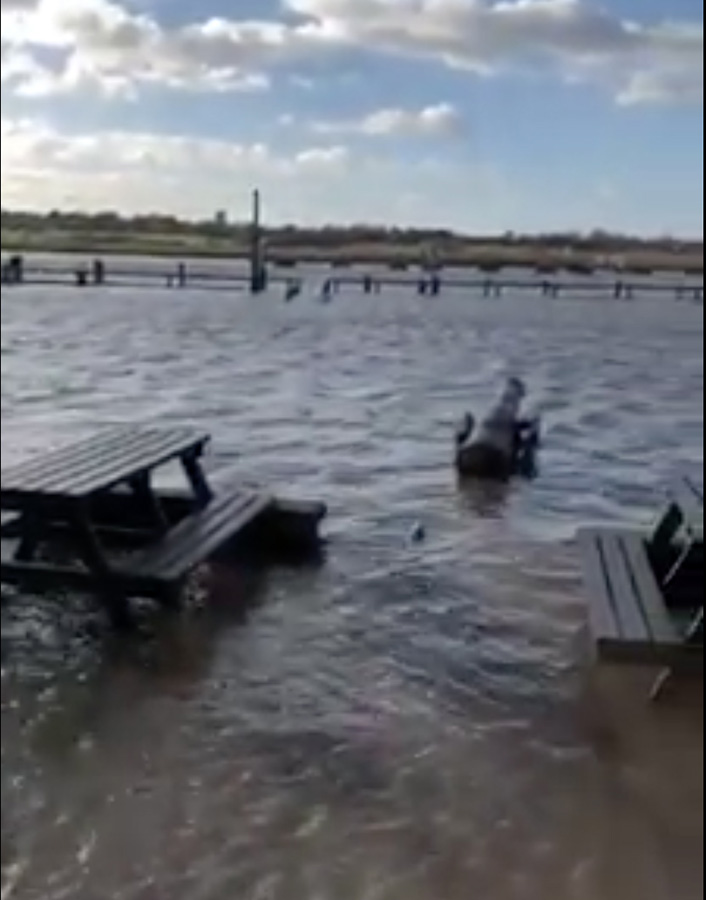
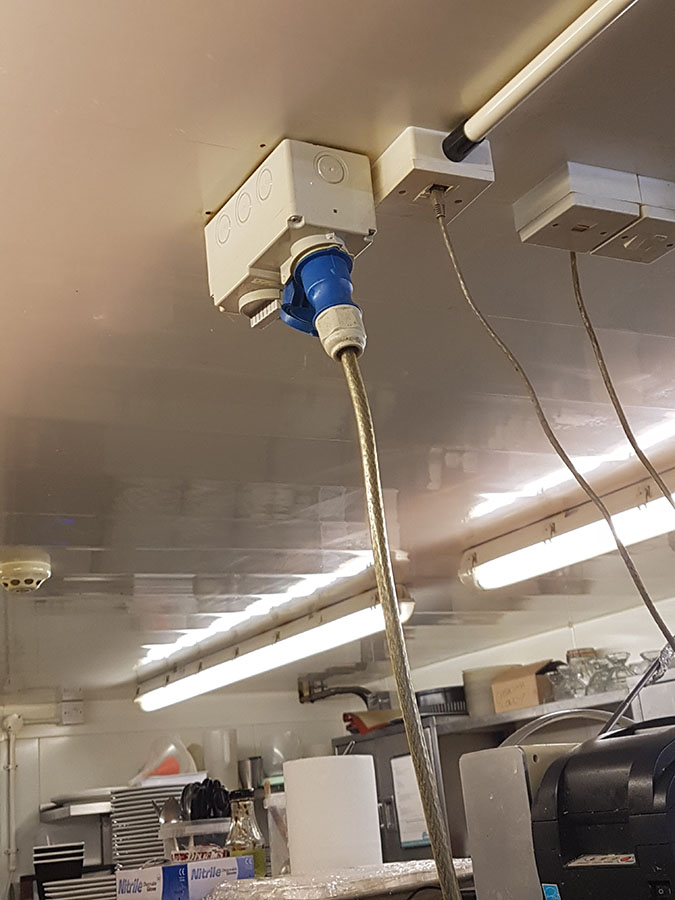
The Harbour Inn in Southwold, Suffolk (pic 9), has implemented a comprehensive flood resilience strategy to manage the regular flooding it experiences due to its low-lying location. The property manager, Nick Attfield, has worked to assess the flood risks and develop a recoverability approach to flood resilience. Due to the location, it was acknowledged that resistance measures were not suitable. The water raises too high (pic 6), and the pressure would do significant damage, so it is better to let flow in and out (Pic 1).
The key elements of the inn’s flood resilience strategy include:
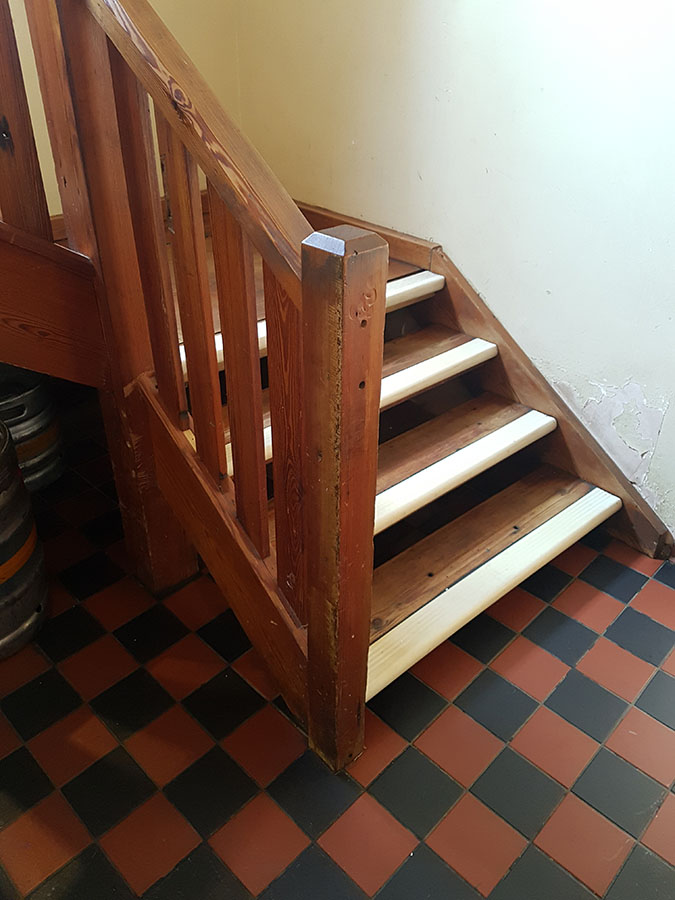
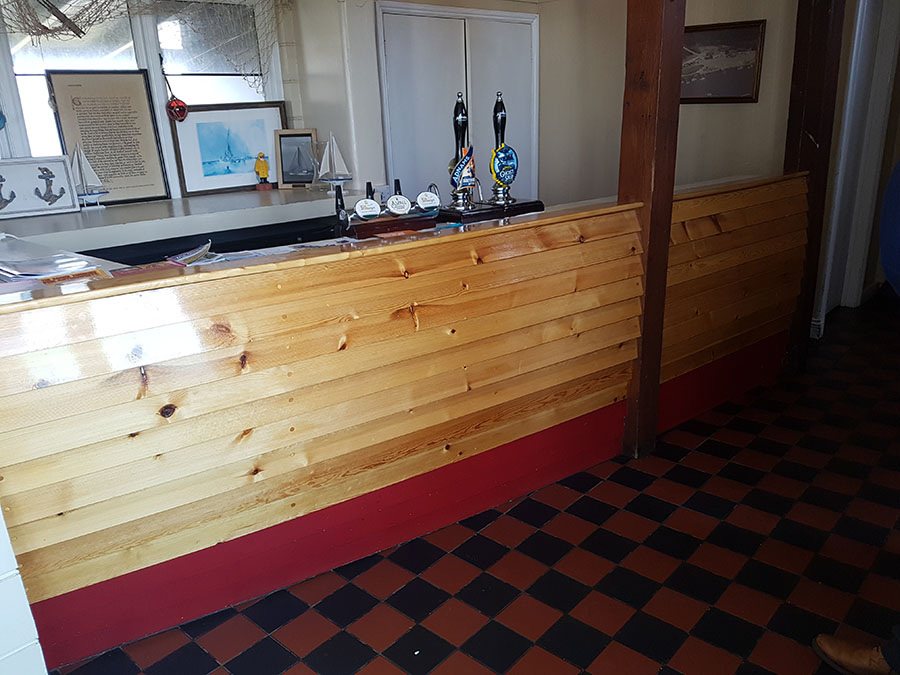
The Harbour Inn has implemented a range of measures to enhance its flood resilience, including water-resistant materials, mobile equipment, and effective flood monitoring and response plans.
Nick has worked with the Brewery Insurance company and has managed to retain flood insurance. He agreed to pay a percentage of every flood claim, which incentivises him to do everything possible not to make a claim. He has not made an insurance claim in over six years as a result.
Key Outcomes and Lessons from the Harbour Inn Flood Resilience Project:
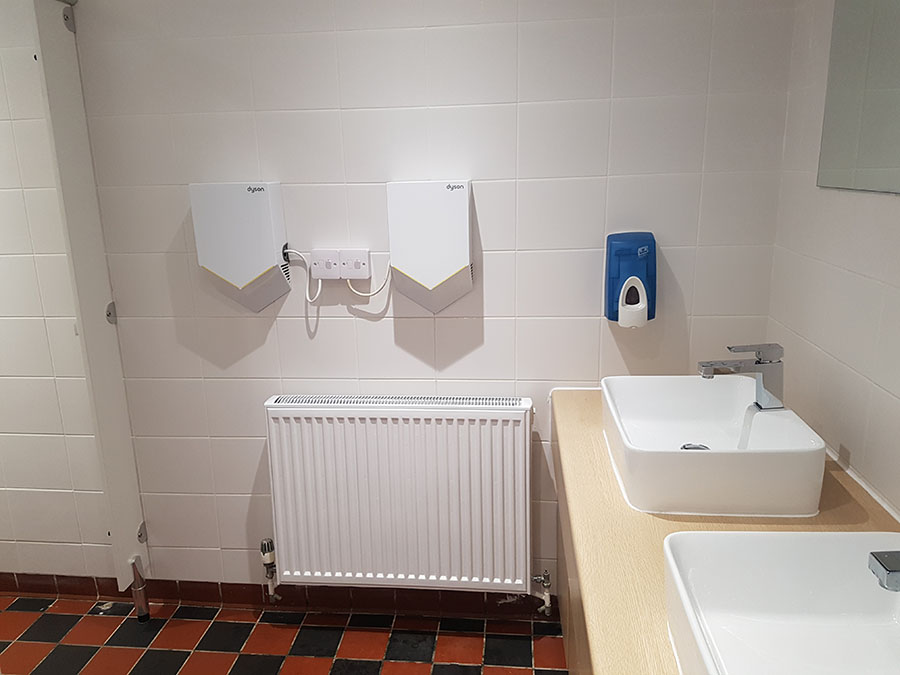
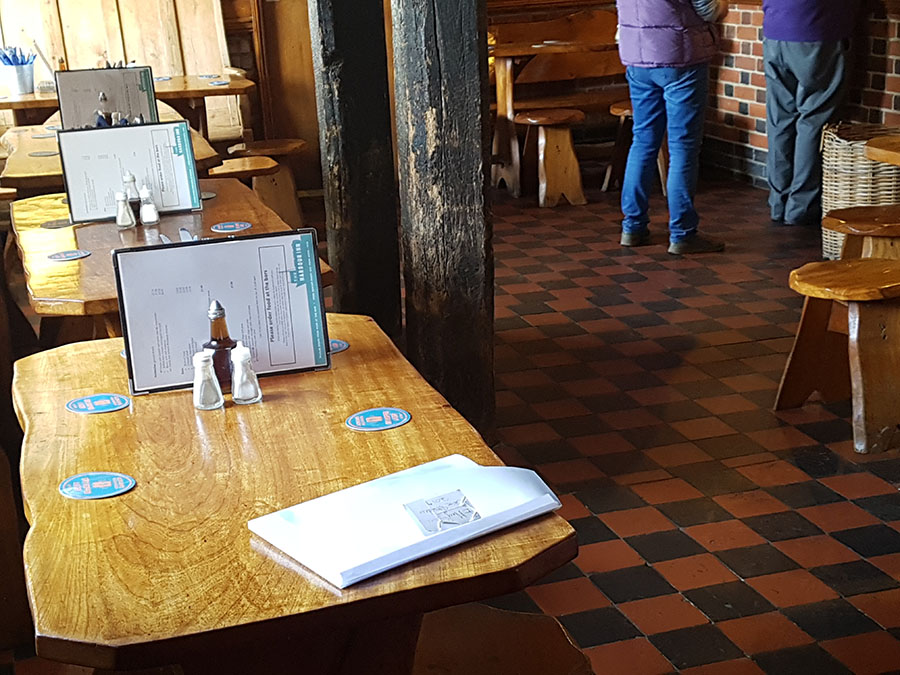
Being prepared for potential flooding is an important element of being flood resilient as it leads to approaches to use PFR measures. It’s about understanding your flood risk, now and for the future.